 Save
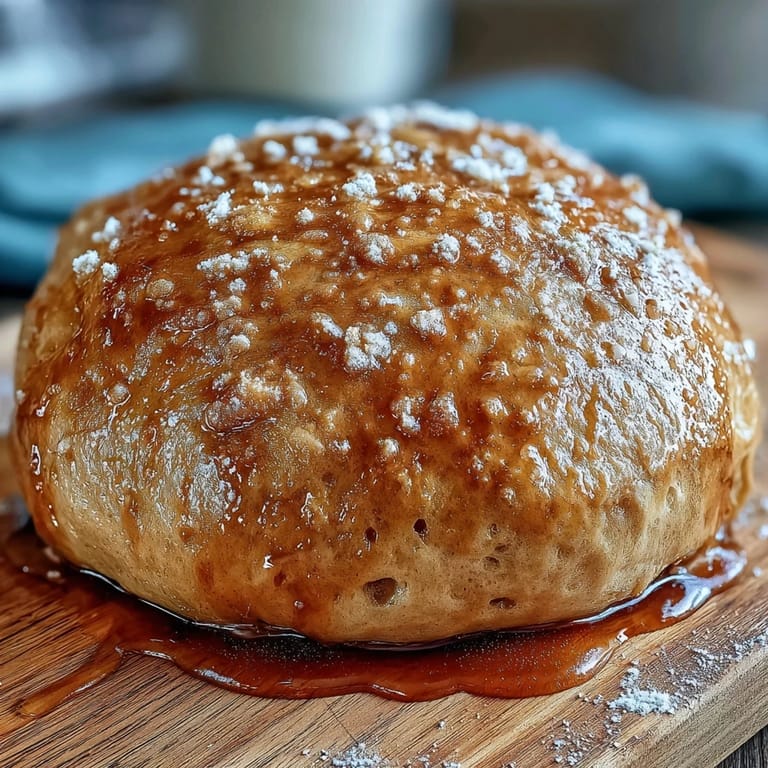
Save My neighbor Marco handed me a jar of his sourdough starter one afternoon, casually mentioning he'd been feeding it for three years. I stared at this bubbling, slightly intimidating culture and thought, well, if he can do it, so can I. That first pizza emerged from the oven with a crust that crackled under my fingers and tasted like something I'd only found in Rome, and suddenly I understood why he was so protective of that jar. Now whenever I make this dough, I'm reminded that the best things take time and a little bit of living culture.
I made this for a dinner party during a particularly rainy November, and my friend Sarah watched the pizzas come out of the oven like she was witnessing magic. She took one bite, closed her eyes, and just said nothing for a moment—which for Sarah meant everything. That night turned into one of those meals where everyone stayed too long at the table, and the only thing left of the pizzas were memories and flour dust on everyone's clothes.
Ingredients
- Bread flour (500 g): The higher protein content gives you that chewy structure and beautiful open crumb you want, though all-purpose flour will work in a pinch if you accept a slightly softer result.
- Water (325 g): Room temperature water helps the starter wake up and do its thing without shocking it with cold.
- Active sourdough starter (100 g): This is where the magic lives—use starter that's been fed and is bubbling away, not the sluggish kind sitting in the back of your fridge.
- Fine sea salt (12 g): Finer salt dissolves better into the dough than coarse varieties and distributes flavor more evenly throughout.
- Olive oil (15 g, optional): Adding this creates a softer, slightly richer crust, but skip it if you prefer something more rustic and crisp.
Tired of Takeout? 🥡
Get 10 meals you can make faster than delivery arrives. Seriously.
One email. No spam. Unsubscribe anytime.
Instructions
- Mix flour and water, then wait:
- Combine your flour and water in a large bowl and give it a good stir until there are no dry bits—this is called the autolyse. Let it sit covered for 30 minutes while the flour fully hydrates; you'll notice the dough gets noticeably softer and more cohesive.
- Introduce the starter and salt:
- Add your active starter and salt (and olive oil if using) to the rested dough. Mix by hand or machine until everything is evenly distributed and you have a shaggy, sticky dough.
- Knead until silky:
- Either knead by machine for 5–7 minutes or use the stretch-and-fold method every 30 minutes for 2 hours (that's 4 folds total). This develops the gluten network and makes the dough elastic and strong.
- Let time do the work:
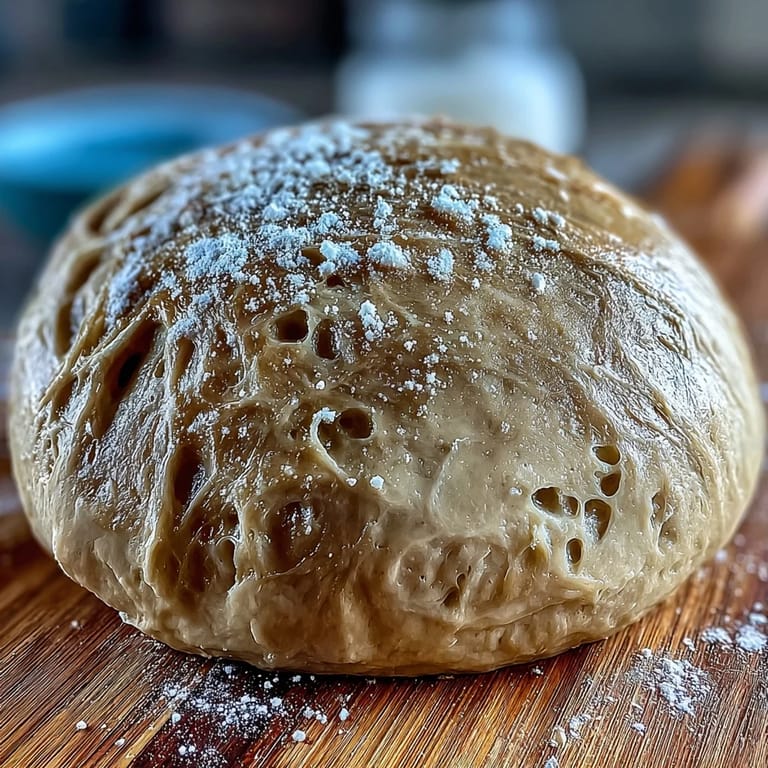
- Cover your bowl and let the dough rise at room temperature for 6–8 hours until it's roughly doubled and dotted with bubbles. You'll know it's ready when it jiggles slightly when you gently shake the bowl.
- Shape into dough balls:
- Turn the dough onto a lightly floured surface, divide it in half, and shape each piece into a tight ball by pulling the edges toward the center. This creates tension on the surface which helps the pizza rise evenly in the oven.
- Rest before the final push:
- Place your dough balls on a tray, cover them loosely, and let them rest for 1–2 hours at room temperature, or pop them in the fridge for up to 24 hours for even deeper flavor. Cold fermentation is your secret weapon for complexity.
- Prepare your oven for the main event:
- Crank your oven as hot as it will go (475–500°F ideally) and place a pizza stone or steel inside to preheat for at least 30 minutes. A properly heated stone is non-negotiable for that crispy bottom.
- Stretch and top with intention:
- Take a dough ball and gently stretch it into a 12-inch round, working from the center outward and letting gravity help. Add your favorite toppings without overloading—less is more if you want that crust to shine.
- Bake until golden and alive:
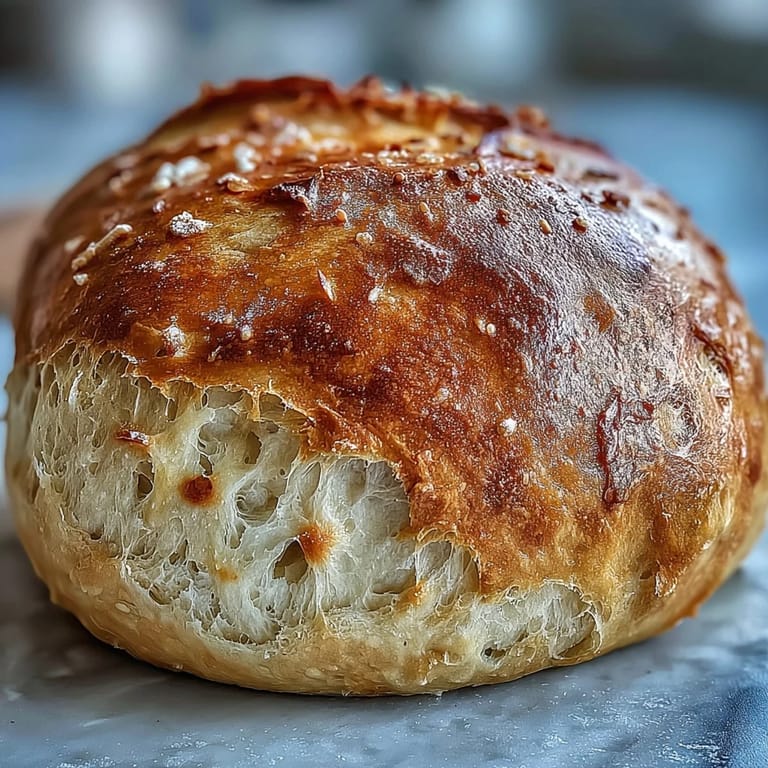
- Transfer your pizza to the screaming hot stone and bake for 10–15 minutes until the crust is puffed, golden, and the edges have some charred spots. That smell will tell you everything you need to know.
 Save
Save There's a quiet satisfaction in pulling a pizza from the oven that you've been nurturing since yesterday morning. It feels less like following a recipe and more like completing something meaningful with your own hands.
The Autolyse Stage Matters More Than You Think
I skipped the autolyse once, thinking it was just extra busy-work, and the dough was noticeably tougher and less extensible. That 30-minute rest allows the flour to fully hydrate and the gluten to develop naturally, which means your dough becomes more cooperative when it's time to stretch it. Now I never skip it because I learned that sometimes the simplest steps are the most important ones.
Cold Fermentation Is Your Secret Ingredient
If you have even slight flexibility with timing, moving your shaped dough balls to the refrigerator overnight (or up to 24 hours) transforms the flavor profile entirely. The cold slows fermentation to a crawl, which means more complex acids develop and the dough becomes tangier and more interesting. Plus, cold dough is actually easier to stretch than room-temperature dough, so you'll have better control when it's time to shape your pizzas.
Common Missteps and How to Avoid Them
The most common mistake is baking on an insufficiently preheated stone—it will give you a soggy bottom instead of that coveted crispy exterior. Another easy trap is using too much flour when stretching, which can make the crust dense and separate from the toppings. And if your pizzas are browning too quickly but not cooking through, your oven temperature might be slightly lower than you think, so invest in an oven thermometer to be sure.
- Preheat your pizza stone for at least 30 minutes to ensure it's genuinely hot all the way through.
- Use the smallest amount of flour necessary when stretching to keep the dough light and airy.
- If your first pizza burns before cooking through, lower your oven rack or slightly reduce the temperature for the next round.
 Save
Save This dough changed how I think about pizza and patience, teaching me that the best results rarely come from rushing. Every time you make it, you're not just baking bread; you're honoring a living culture and creating something that tastes distinctly better because you gave it time.
Kitchen Guide
- → What type of flour works best?
Bread flour offers the optimal protein content for elasticity and structure, but all-purpose flour can yield a softer crust.
- → How does cold fermentation affect dough?
Chilling the dough for up to 48 hours deepens flavor complexity and improves texture by slowing fermentation.
- → What is the stretch-and-fold technique?
This gentle method strengthens gluten by periodically folding the dough during rising instead of heavy kneading.
- → How hot should the oven be?
Preheat between 475-500°F (250-260°C) with a pizza stone or steel for even heat and a crispy crust.
- → Can olive oil be omitted?
Yes, olive oil is optional but adds softness and richness to the dough's texture.