 Save
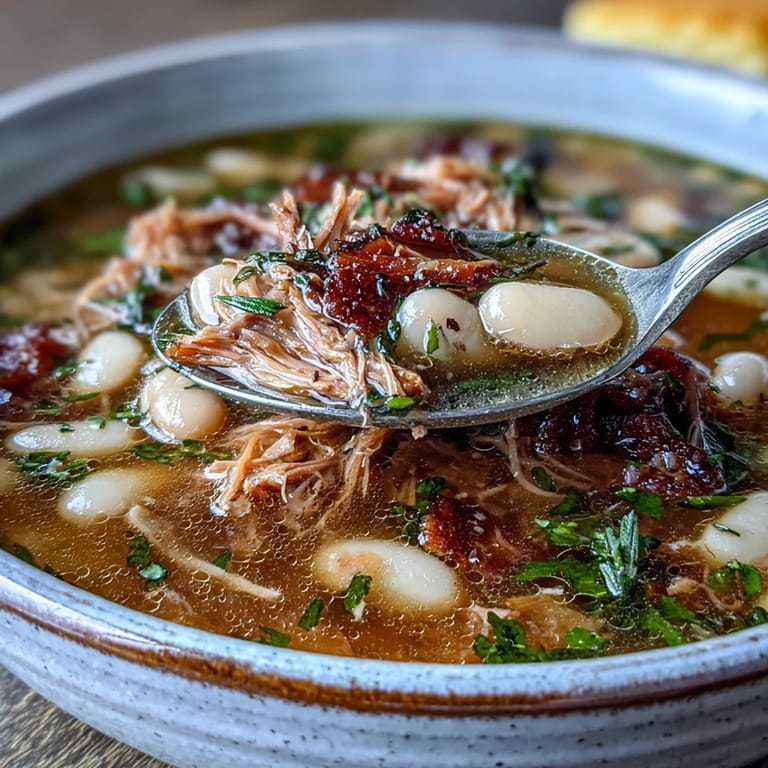
Save My grandmother used to say that a proper ham hock soup told stories in every spoonful, and I didn't understand what she meant until I made this dish on a gray February afternoon when the kitchen felt too quiet. The smell of the ham hock breaking down in the broth, mingling with thyme and bay leaf, seemed to fill more than just the room. It filled the silence. That's when I realized she wasn't being poetic—she was being practical. A soup this slow and intentional teaches you patience, and patience teaches you to notice what matters.
I served this to my neighbor Tom, who'd just gone through a rough stretch, and I remember him sitting at my kitchen table with a bowl in his hands, not talking, just eating. When he finally looked up, he said the soup tasted like someone had remembered him. That's when I stopped thinking of this as just a recipe and started thinking of it as a small act of care.
Ingredients
- Smoked ham hock (about 1 lb / 450 g): This is your foundation—the meat that doesn't give up easily, breaking down slowly into the broth and creating a silky, rich base that no quick ingredient can replicate.
- Dried white beans (1 lb / 450 g, soaked overnight): The overnight soak matters more than people think; it shortens cooking time and helps them absorb flavor evenly instead of breaking down unevenly.
- Low-sodium chicken or vegetable broth (8 cups / 2 L): Use low-sodium so you're in control of the final salt level—store-bought broth can sneak up on you.
- Yellow onion, carrots, celery (diced): This is your aromatic base, and the dicing matters because uniform pieces cook at the same rate and create that natural sweetness when caramelized slightly.
- Garlic (3 cloves, minced): Add it after the vegetables soften, not before, or it turns bitter and loses its warmth.
- Bay leaves (2) and dried thyme (1 tsp): Bay leaves anchor everything with a subtle earthiness, while thyme brings a gentle herbal note that feels both old-fashioned and comforting.
- Smoked paprika (1/2 tsp): A pinch is enough to whisper extra smokiness without overpowering the ham hock's natural flavor.
- Olive oil (2 tbsp) and salt to taste: Start with less salt than you think you need, because the ham hock releases its own salt as it cooks.
- Fresh parsley (2 tbsp, chopped): A last-minute brightener that reminds you the soup is alive and fresh, not just ancient and slow.
- Yellow cornmeal (1 cup / 150 g): Use stone-ground cornmeal if you can find it; it has more flavor and better texture than the super-fine kind.
- All-purpose flour (1 cup / 125 g): Keeps the cornbread tender and prevents it from becoming too dense or crumbly.
- Granulated sugar (1/4 cup / 50 g): Balances the cornmeal's earthiness and creates that subtle golden crust.
- Baking powder (1 tbsp) and salt (1/2 tsp): Measure these carefully; too much baking powder tastes metallic, too little and the cornbread stays flat.
- Whole milk (1 cup / 240 ml) and eggs (2 large): These bind everything and give you that tender crumb that makes cornbread worth eating.
- Unsalted butter, melted (1/4 cup / 60 g): Let it cool slightly before mixing or you'll scramble the eggs, a mistake I only made once.
Tired of Takeout? 🥡
Get 10 meals you can make faster than delivery arrives. Seriously.
One email. No spam. Unsubscribe anytime.
Instructions
- Sauté your aromatic base:
- Heat olive oil in a large Dutch oven over medium heat and add the onion, carrots, and celery together, listening for that soft sizzle that tells you the temperature is right. Let them sit for about five minutes, stirring occasionally, until they're beginning to turn translucent and the kitchen starts smelling intentional.
- Build the flavor foundation:
- Add the minced garlic and cook for just one minute more—you want it fragrant, not brown. This quick moment prevents the harsh flavors that come when garlic cooks too long.
- Add beans, ham hock, and seasonings:
- Add the drained soaked beans, the ham hock, bay leaves, thyme, black pepper, and smoked paprika, then pour in the broth and bring everything to a boil over medium-high heat. This is the moment when you feel like things are actually happening, when the pot goes from quiet to alive.
- Let time do the work:
- Reduce the heat to low, cover the pot, and simmer for about two hours, stirring occasionally so nothing sticks to the bottom and everything cooks evenly. The ham hock will gradually surrender, the beans will soften from hard little stones into tender pillows, and the whole thing will smell like comfort.
- Shred the ham hock:
- Once the ham hock is falling apart easily, remove it from the pot and let it cool just enough to handle, then shred the meat away from the skin and bone and return just the meat to the pot. Discard the bay leaves and any remaining bone.
- Taste and adjust:
- Taste the soup carefully for salt—the ham hock has already released its own salt into the broth, so you're just looking for balance. If you want it thicker, let it simmer uncovered for another 10 to 15 minutes and it will reduce naturally.
- Finish with freshness:
- Stir in the fresh parsley just before serving so it stays bright green and vibrant rather than turning dark from the heat.
- Preheat and prepare for cornbread:
- While the soup is simmering, preheat your oven to 400°F (200°C) and grease an 8-inch square baking dish with butter or cooking spray so the cornbread releases cleanly later.
- Mix the dry ingredients:
- In a large mixing bowl, whisk together the cornmeal, flour, sugar, baking powder, and salt, making sure the baking powder is evenly distributed or you'll get some pockets with too much leavening.
- Combine wet and dry:
- In a separate bowl, whisk together the milk, eggs, and cooled melted butter, then pour the wet ingredients into the dry ones and stir just until combined—the moment everything comes together, you stop. Overmixing creates tough, dense cornbread, something I learned by making tough, dense cornbread too many times.
- Bake until golden:
- Pour the batter into your prepared dish and bake for 20 to 25 minutes, until the top is golden brown and a toothpick inserted in the center comes out clean with maybe a crumb or two clinging to it. The cornbread will smell like sweetness and butter and warmth.
- Cool and serve:
- Let the cornbread cool for just a few minutes before slicing—it's still setting up inside, and those few minutes make the difference between it holding together or falling apart on the plate.
 Save
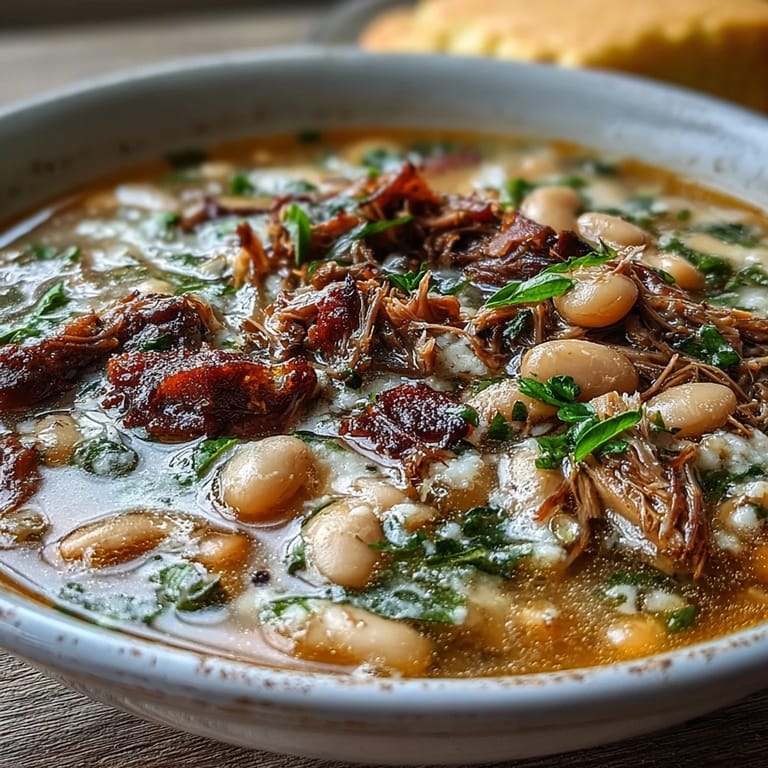
Save There's a moment that happens with soup like this, usually around day two when you're reheating a bowl, where you realize it's not just food anymore—it's proof that slowing down actually changes what's possible. The same ingredients that seemed simple now taste like they understand you.
Flavor Building Secrets
The real magic happens in how the ham hock seasons the broth naturally rather than you fighting to add flavor on top of something already finished. I once tried to shortcut this by using ham instead of ham hock, thinking the same meat was the same thing, and the soup tasted thin and impatient. The hock's bones and skin and collagen create something that tastes like it's been earned, not just assembled.
Cornbread That Actually Stays Together
Cornbread is one of those things that seems forgiving until you realize it isn't—it needs just enough structure from the flour to hold together, but not so much that it becomes cake. The sugar matters because it's not just sweetness; it's what helps the cornmeal brown and creates that tender crumb instead of a grainy one. I've learned to bake cornbread with attention, the way you'd make something you're actually going to remember eating.
Serving and Storing Suggestions
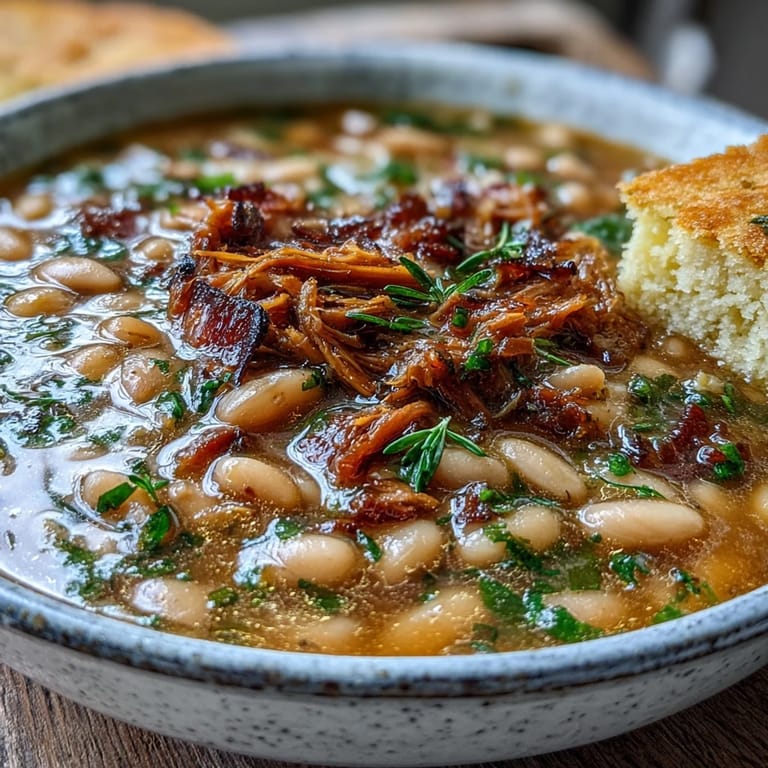
Serve the soup hot in deep bowls with a piece of warm cornbread on the side for dunking, or tear the cornbread into the soup itself if you want it to absorb all that silky broth. The soup stores beautifully in the refrigerator for up to four days, and it actually freezes well too if you want to make extra and have it waiting for a day when you need comfort that you don't have to earn.
- For a smokier flavor, add a small dash of liquid smoke to the broth about halfway through cooking, tasting carefully so it doesn't overpower everything else.
- If you want to add vegetables like kale or spinach, stir them in during the last 10 minutes so they soften without turning to mush and losing their color.
- Make the cornbread ahead of time and reheat it wrapped in foil so it stays tender and warm while the soup finishes cooking.
 Save
Save This soup and cornbread combination has become my answer to so many different questions—how do I feed people I care about, how do I slow down when everything feels rushed, how do I make something that tastes like it matters. Making it again reminds me that some recipes aren't really about the ingredients at all.
Kitchen Guide
- → How long should the ham hock simmer?
Simmer the ham hock for about 2 hours until the meat is tender and easily falls off the bone.
- → Can I use different types of beans?
Yes, white beans like navy or Great Northern work best due to their creamy texture after soaking and cooking.
- → What adds smokiness to the soup?
The smoked ham hock provides natural smokiness; adding smoked paprika enhances this flavor further.
- → How to keep cornbread moist and tender?
Use a combination of cornmeal and flour and don’t overmix the batter before baking to retain a tender crumb.
- → Can the greens be added to the soup?
Yes, adding chopped kale or spinach in the last 10 minutes of simmering boosts freshness and nutrients.