 Save
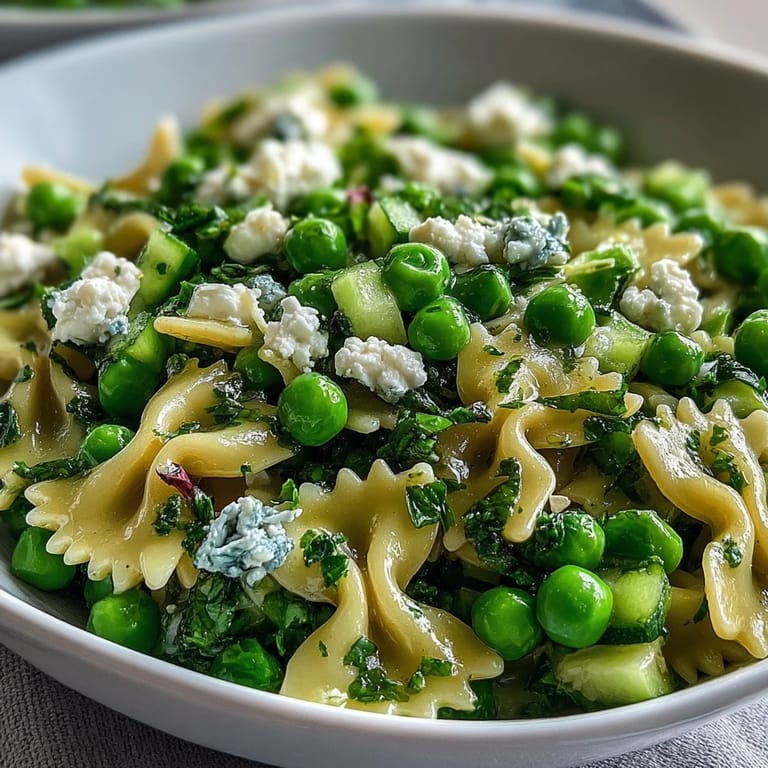
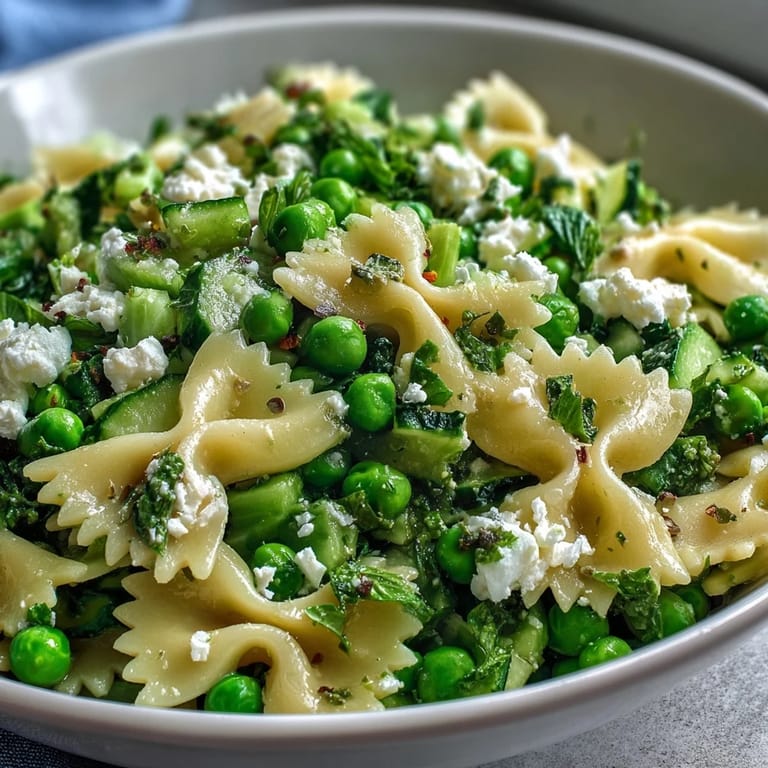
Save There's something about late spring that makes me crave lightness on a plate, and this pasta salad arrived in my kitchen during one of those restless afternoons when I wanted something bright but wasn't sure what. I'd picked up a bunch of mint from the farmers market purely on impulse, and a handful of just-shelled peas from a friend who grows them. The combination felt obvious the moment I tossed them together with a squeeze of lemon, and I realized I'd stumbled onto something that tastes like the season itself.
I made this for a potluck last June, and what stuck with me wasn't the compliments (though there were plenty) but watching my aunt go back for seconds while sitting on the porch, fork in hand, asking if the mint was something special or just really fresh. It was just really fresh, but her question made me pay attention to how a single ingredient, treated simply, can change everything about a dish.
Ingredients
- Small pasta (250 g, about 9 oz): Farfalle, orecchiette, or penne work best here because their shapes catch the vinaigrette and hold onto the peas and herbs instead of sliding around your fork.
- Fresh or frozen peas (1 cup, 150 g): Frozen peas are honestly better than sad fresh ones, so don't feel guilty reaching for them when spring peas aren't at their peak.
- Cucumber (1 small, diced): This adds crunch and keeps the salad from feeling too soft, so choose one that's firm and haven't overcut your pieces into tiny fragments.
- Spring onions (3, thinly sliced): They add a mild bite that doesn't overpower the delicate herbs, so slice them thin so they distribute evenly throughout.
- Fresh mint (1/3 cup, 15 g, chopped): Mint is the quiet star here, so use it generously but chop it just before mixing to keep it bright and aromatic.
- Fresh flat-leaf parsley (1/4 cup, 10 g, chopped): Parsley adds earthiness that balances the mint's brightness, grounding the whole composition.
- Feta cheese (50 g, 1.75 oz, crumbled): Optional, but the slight saltiness and tang make the other flavors sing, so I rarely skip it unless I'm feeding vegans.
- Lemon zest and juice (1 lemon): This is where the magic lives, so use a fresh lemon and zest it before you juice it, otherwise you'll spend ten minutes fishing bits of zest out of your cutting board.
- Extra-virgin olive oil (3 tbsp): Quality matters here because it's one of the few main flavors, so choose one you'd actually drink if given the chance.
- Dijon mustard (1 tsp): This acts as an emulsifier and adds a subtle warmth that ties everything together without making itself known.
- Honey or maple syrup (1 tsp): A tiny bit of sweetness softens the lemon's acidity and makes the vinaigrette feel complete.
- Garlic (1 small clove, finely minced): Fresh garlic can overpower this delicate salad, so use a small clove and mince it as fine as you can manage.
- Salt and freshly ground black pepper: Taste as you go, because the feta will already contribute saltiness and you don't want to overdo it.
Tired of Takeout? 🥡
Get 10 meals you can make faster than delivery arrives. Seriously.
One email. No spam. Unsubscribe anytime.
Instructions
- Get the water singing:
- Fill a large pot with water, add a generous pinch of salt, and bring it to a rolling boil so the pasta cooks evenly and absorbs that salty flavor from the start.
- Cook the pasta to just-right:
- Add your pasta and cook according to package directions, but start tasting a minute before you think it's done—al dente is when it still has a whisper of resistance when you bite it. In the last two minutes, scatter in the peas so they warm through without turning to mush.
- Cool everything quickly:
- Drain the pasta and peas together, then rinse them under cold water while stirring gently until they're completely cool to the touch. This stops the cooking and prevents the pasta from clumping.
- Build the salad base:
- In a large mixing bowl, combine the cooled pasta and peas with the diced cucumber, sliced spring onions, chopped mint, and chopped parsley, tossing gently so nothing gets bruised.
- Make the vinaigrette come alive:
- In a small bowl or jar, combine the lemon zest, lemon juice, olive oil, Dijon mustard, honey, and finely minced garlic. Whisk or shake this until it looks slightly creamy and emulsified, then taste it and adjust the salt and pepper until it makes your mouth happy.
- Bring it all together:
- Pour the vinaigrette over the pasta salad and toss gently with your hands or two wooden spoons, making sure every piece gets coated without crushing the herbs or vegetables.
- Add the cheese (if using):
- Sprinkle the crumbled feta over top and toss one more time, very lightly, so it disperses throughout without breaking into dust.
- Let it rest and meld:
- Chill the salad for 15 to 30 minutes before serving so the flavors have time to get to know each other and the pasta can fully absorb the vinaigrette's personality.
 Save
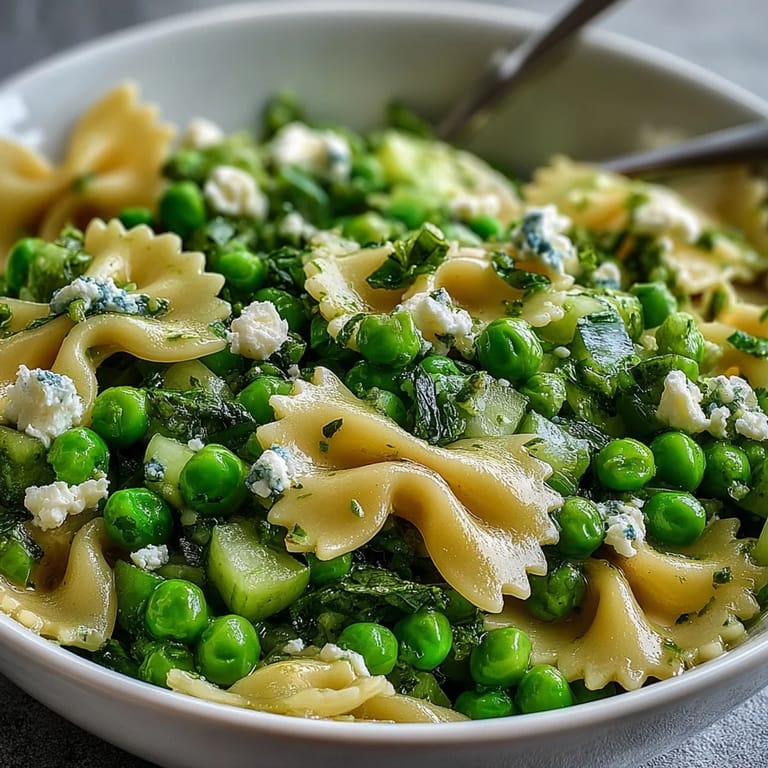
Save My sister brought this to a family dinner once, and my dad, who isn't usually one for salads, ate almost half the bowl while standing in the kitchen without even realizing he was doing it. That's when I understood that a good salad isn't about being virtuous or health-conscious—it's about making something so delicious that people reach for it without thinking.
Why This Salad Feels Like Spring
There's a reason this combination shows up when the weather turns mild and you're tired of heavy food. Peas taste like optimism, mint smells like possibility, and lemon makes everything feel lighter. The pasta grounds it all so it's actually substantial enough to be a meal rather than a side dish, but the freshness never lets you forget that winter is finally over.
Making It Your Own
This salad is forgiving in the way that the best recipes are—it welcomes changes without falling apart. I've made it with snap peas when I couldn't find regular ones, swapped in basil instead of mint when that's what I had in the garden, and even added a few chickpeas when I needed more protein. The structure stays the same, but the salad adapts to whatever your kitchen holds.
Storage and Make-Ahead Tips
This salad keeps beautifully in the fridge for up to two days, and honestly, it's one of those dishes that tastes even better on day two once everything has had time to soak in the dressing. I often make it the morning of a picnic or workday lunch, knowing it'll taste fresher than anything I could throw together at the last minute. Just resist the urge to dress it too far in advance unless you're comfortable with a slightly softer pasta, and if you're adding feta, wait until just before serving unless you're planning to eat it all in one go.
- Make the vinaigrette the night before and store it in a jar, so you're literally just mixing and tossing on the day you need it.
- Chop your herbs and vegetables ahead of time, but don't combine everything until you're ready to dress it, or the cucumber will weep and the mint will lose some of its brightness.
- If you're transporting this to a picnic, pack the vinaigrette separately and toss everything together just before you eat, so it stays crisp and glossy instead of soggy.
 Save
Save This pasta salad has become the thing I make when I want to feel good about what I'm eating without it feeling like a sacrifice. It's the kind of dish that reminds you why cooking for yourself and others matters.
Kitchen Guide
- → Can I make this pasta ahead?
Yes, this dish keeps well refrigerated for up to 2 days. The flavors actually improve after chilling, making it excellent for meal prep or picnic planning.
- → What pasta shapes work best?
Small shapes like farfalle, orecchiette, or penne are ideal as they catch the vinaigrette and peas. Choose something with texture to hold the fresh herbs.
- → Can I use frozen peas?
Absolutely. Frozen peas work wonderfully here—just add them during the last 2 minutes of cooking time. They're often sweeter than fresh and available year-round.
- → How do I make it vegan?
Simply omit the feta or use a plant-based cheese alternative. The vinaigrette is naturally dairy-free with honey easily substituted for maple syrup.
- → Can I add protein?
Grilled chicken, chickpeas, or white beans make excellent additions. Keep portions light to maintain the refreshing nature of the dish.
- → What if I don't like mint?
Basil or dill work beautifully as substitutes. The key is keeping fresh herbs for that bright, springtime flavor profile.