 Save
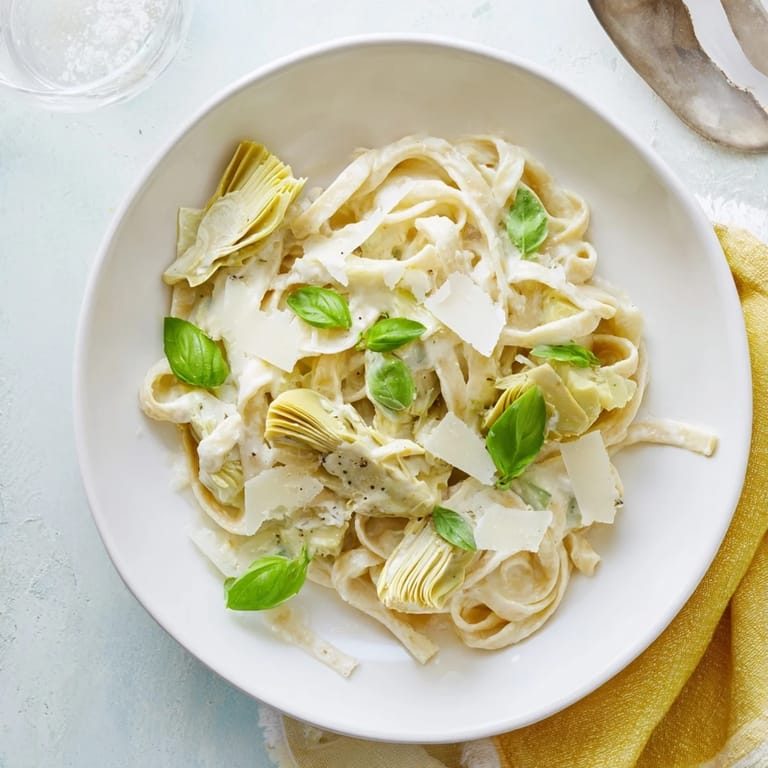
Save I threw this together on a Tuesday night when I had a jar of artichokes sitting in the pantry and no plan for dinner. The lemon was from a neighbor's tree, still warm from the sun. What started as a lazy effort turned into something I now crave constantly. The cream clung to the pasta in this way that felt both indulgent and somehow bright. It's one of those dishes that tastes like you tried much harder than you did.
I made this for my sister after she had a long week and she sat at my counter with a glass of wine while I cooked. She kept stealing artichoke pieces from the pan. By the time we sat down to eat, we'd already finished half the Parmesan and most of the bottle. It became our thing after that, the dish we make when one of us needs something comforting without the weight.
Ingredients
- Fettuccine or linguine: Long noodles hold the sauce better than short shapes, and fettuccine has just enough surface area to catch every bit of cream and lemon.
- Artichoke hearts: Canned ones are perfectly tender and save you from dealing with fresh artichokes, which I love but never have time for on a weeknight.
- Baby spinach: Optional but I almost always add it for color and because it wilts down to nothing so it feels like a vegetable win.
- Garlic and shallot: The shallot adds a sweetness that garlic alone doesn't give you, and together they make the kitchen smell like you know what you're doing.
- Lemon zest and juice: The zest is where the magic is, it's floral and bright in a way the juice alone can't match.
- Heavy cream: This is what makes the sauce cling and turn silky, no need for flour or cornstarch.
- Parmesan cheese: Freshly grated melts into the sauce instead of clumping, and it adds that salty umami depth.
- Butter and olive oil: Starting with both gives you flavor and prevents the garlic from burning too fast.
- Salt, pepper, and red pepper flakes: Just enough heat to keep it interesting without overpowering the lemon.
- Fresh basil or parsley: A handful torn over the top makes it look and taste like it came from a restaurant.
Tired of Takeout? 🥡
Get 10 meals you can make faster than delivery arrives. Seriously.
One email. No spam. Unsubscribe anytime.
Instructions
- Boil the pasta:
- Get your water boiling with a generous pinch of salt, it should taste like the sea. Cook the pasta just until al dente and save some of that starchy water before you drain it.
- Sauté the aromatics:
- Melt the butter into the olive oil over medium heat, then add the shallot and garlic. Let them soften and turn fragrant but not brown, about two minutes of stirring.
- Cook the artichokes:
- Toss in the quartered artichokes and let them sit long enough to get a little golden on the edges. Add the lemon zest and spinach if you're using it, stirring until the greens wilt.
- Build the sauce:
- Pour in the cream and let it bubble gently, then lower the heat and stir in the Parmesan, lemon juice, salt, pepper, and red pepper flakes. The cheese will melt into the cream and thicken everything just enough.
- Toss and serve:
- Add the drained pasta right into the skillet and toss it all together, adding splashes of pasta water until the sauce coats every strand. Serve it hot with more Parmesan and fresh herbs scattered on top.
 Save
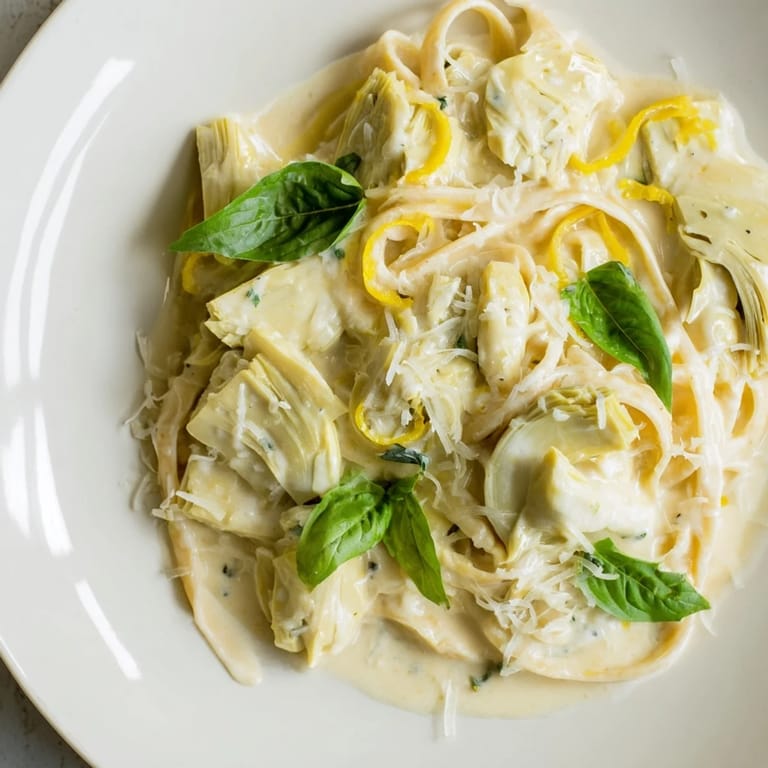
Save There was a night I made this for a friend who said she didn't like artichokes. She finished her plate and asked for seconds. Sometimes a dish changes someone's mind not because it's fancy, but because it's prepared with enough care that the ingredients finally make sense together. That's what this pasta does.
Customizing the Dish
I've added leftover rotisserie chicken when I needed more protein, and I've stirred in a handful of sun-dried tomatoes when I wanted something richer. You can swap the cream for half-and-half if you want it lighter, though you'll lose some of that silky cling. A splash of white wine in with the artichokes before the cream goes in adds another layer if you have an open bottle.
Storing and Reheating
Leftovers keep in the fridge for up to three days in an airtight container. When you reheat it, add a splash of milk or cream and warm it gently on the stove, stirring often so the sauce doesn't break. The microwave works in a pinch, but the stovetop brings it back to life better. I've never tried freezing it because it never lasts that long.
Pairing Suggestions
This goes beautifully with a simple arugula salad dressed in olive oil and lemon, or a crusty baguette to soak up the extra sauce. A chilled glass of Pinot Grigio or Sauvignon Blanc cuts through the cream and highlights the lemon. If you're not drinking wine, sparkling water with a twist of lemon does the same job.
- Serve it with garlic bread if you want to go all in on carbs.
- A side of roasted asparagus or broccolini adds a nice charred contrast.
- Top with toasted pine nuts or slivered almonds for a little crunch.
 Save
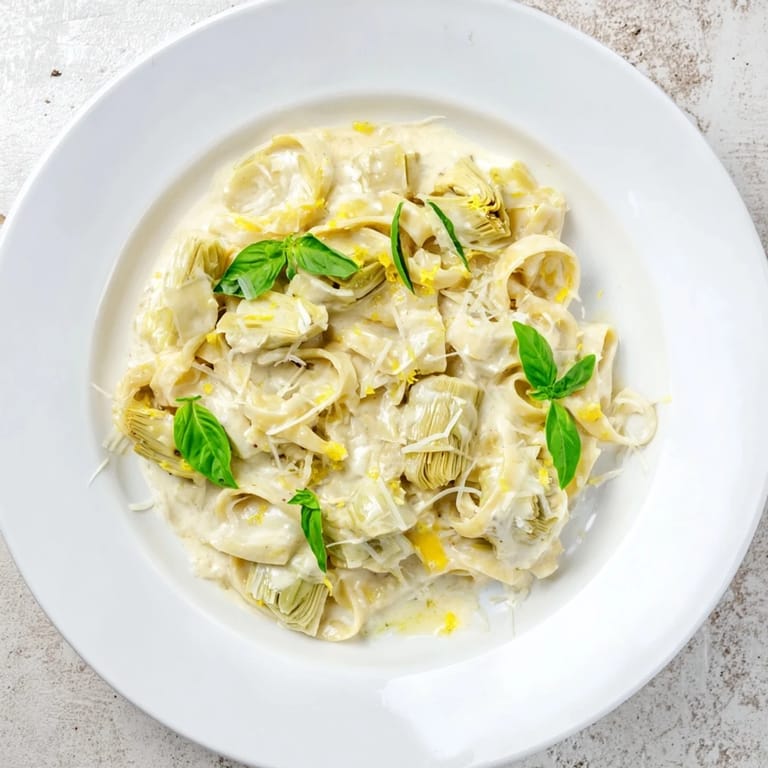
Save This is the kind of pasta that makes a regular night feel a little special without any fuss. I hope it becomes one of those recipes you reach for when you need something reliable and good.
Kitchen Guide
- → Can I use different pasta types for this dish?
Yes, fettuccine or linguine works best, but other long pasta like spaghetti or tagliatelle can be substituted without affecting the creamy texture.
- → Is it possible to make this dish vegan?
Absolutely. Replace heavy cream with a plant-based alternative and Parmesan with vegan cheese or nutritional yeast for similar richness.
- → How do I ensure the sauce remains silky and smooth?
Reserve some pasta cooking water and stir it into the sauce while combining with pasta; starches help create a smooth, creamy consistency.
- → Can I prepare this dish ahead of time?
It's best served fresh, but the sauce can be made in advance and gently reheated. Add reserved pasta water to restore creaminess before tossing with freshly cooked pasta.
- → What garnishes enhance this pasta's flavors?
Fresh basil or parsley provide bright herbal notes, and an extra sprinkle of Parmesan adds savory depth to the creamy lemon sauce.