 Save
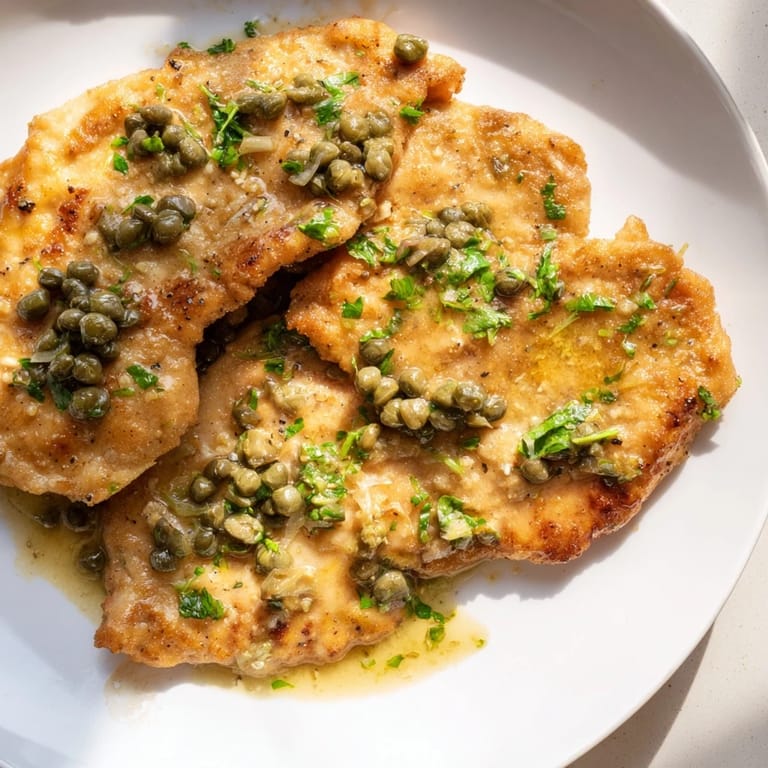
Save There's something about the sound of chicken hitting a hot pan that signals dinner is about to get elegant. I discovered this creamy lemon piccata on a weeknight when I had fancy ingredients but zero fancy plans—just me, tired from work, standing in front of the stove wondering what to make. Twenty minutes later, my apartment smelled like a Roman trattoria, and I realized comfort food doesn't need reservations or fuss. This dish became my answer to every question of what to cook when you want something that tastes restaurant-quality but happens in your own kitchen.
I made this for my sister on her birthday, insisting it was no trouble even though she offered to pick up takeout. Watching her face when she tasted it—that look of pleasant surprise when something tastes both comforting and a little bit special—made me understand why people cook for the people they love. She asked for the recipe that night, and now it's become our Thursday dinner when we both need something that feels like celebration without the performance.
Ingredients
- Chicken breasts: Pound them thin so they cook quickly and evenly—this is where patience pays off because thin chicken means tender chicken, and you want that tenderness to catch all that buttery sauce.
- All-purpose flour: Just enough for a delicate golden crust that disappears into the sauce and adds body without tasting floury.
- Olive oil and butter: The two-fat combination gives you the high heat tolerance of oil with the golden color and flavor of butter.
- Garlic: Mince it finely so it melts into the sauce and flavors every spoonful.
- Dry white wine: It reduces down and brings acidity and depth—if you skip it, use extra broth, but know you'll miss that complexity.
- Chicken broth: Low-sodium keeps you in control of the salt, which matters when capers are in the mix.
- Heavy cream: This is what makes it creamy, but the lemon keeps it bright and prevents it from tasting one-dimensional.
- Lemon juice: Fresh and squeezed right before cooking—bottled juice doesn't have the same zing, and zing is the whole point.
- Capers: Rinse them well to control the brine, then let them sit in the warm sauce and soften slightly while they season everything.
- Fresh parsley: The final sprinkle that says you care enough to finish what you started.
Tired of Takeout? 🥡
Get 10 meals you can make faster than delivery arrives. Seriously.
One email. No spam. Unsubscribe anytime.
Instructions
- Get your chicken ready:
- Place each breast between two sheets of parchment paper and pound it to about half an inch thick—you'll feel the resistance ease as the meat relaxes, and that's when you know it's even. Season both sides generously with salt and pepper right now, not later.
- Flour and confidence:
- Dredge each breast in flour, coating both sides, then shake off anything that's not clinging to the meat. This thin, even coating is what catches in the pan and becomes those golden bits that taste like restaurant cooking.
- The golden sear:
- Heat olive oil and 1 tablespoon of butter in your skillet over medium-high heat until the butter foams and stops foaming—that's when you add the chicken. Don't move it for 4 to 5 minutes, just listen to it sizzle and trust the process, then flip and do the same on the other side until it's golden and cooked through to the center.
- Building the sauce base:
- Transfer the cooked chicken to a plate and tent it loosely with foil to keep it warm. Add the remaining butter to the same skillet and let it melt before adding your minced garlic—give it just 30 seconds so it softens and smells incredible but doesn't turn brown.
- The wine reduction:
- Pour in your white wine and immediately start scraping the bottom of the pan with a wooden spoon, bringing up all those golden bits that taste like flavor concentrated. Let it bubble away for about 2 minutes until you can see it's reduced by half—the sauce smells winey and concentrated, not sharp anymore.
- Bringing it all together:
- Add your chicken broth and heavy cream, then squeeze in that fresh lemon juice and stir it all together. Let it simmer for a couple of minutes until it thickens just slightly—you want it to coat the back of a spoon but still pour smoothly.
- The final moment:
- Stir in those rinsed capers and nestle your chicken back into the pan, spooning all that creamy, lemony sauce over the top. Let everything warm through for 2 to 3 minutes until the chicken is heated through and the flavors have started talking to each other, then finish with a shower of fresh parsley.
 Save
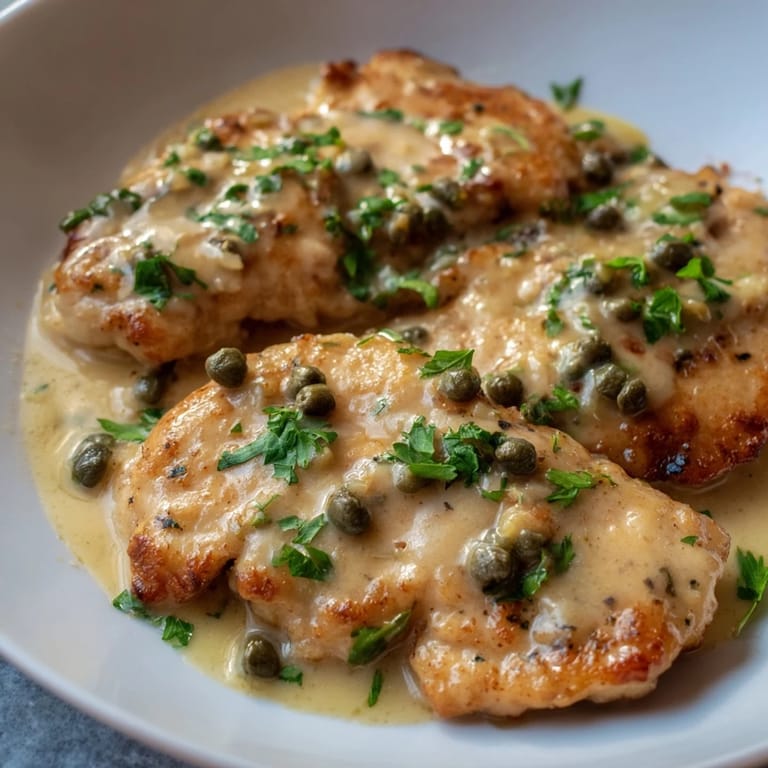
Save This dish has a way of turning ordinary evenings into moments that feel a little bit special. I've made it when people were sad and needed comfort, when people were celebrating and deserved something pretty, and every time someone has asked for the recipe or wanted to know what made it taste like that. That's when I realized it wasn't really about the capers or the wine—it was about showing up in the kitchen and taking those 35 minutes to make something that tasted like you cared.
What Makes This Different from Regular Piccata
Traditional piccata is bright and lemony with just a butter sauce, but adding cream to this version creates something richer and more enveloping while the lemon and capers keep everything from feeling heavy. It's still elegant and still feels Italian-American in that best possible way—you get the sophistication of piccata with the comfort of a creamy pan sauce. The cream also helps balance the acidity of the wine and lemon, so instead of one big punch of sour, you get layers of flavor that work together.
Timing and Temperature Matter More Than You Think
Medium-high heat is the sweet spot for this recipe—hot enough to get a beautiful golden sear on the chicken but not so hot that your sauce breaks or your garlic burns. If your pan is too cool, the chicken won't brown properly and you'll lose that flavor. If it's too hot, you'll have a kitchen full of smoke and chicken that's brown outside but pink inside, which is its own kind of disaster.
What to Serve It With and Other Small Decisions
Pasta soaks up this sauce like it was made for it—tagliatelle or fettuccine are my choice because they're wide enough to really hold onto the cream. Rice works beautifully too if you want something lighter, and crusty bread is always there to rescue any sauce left on the plate. Some people like it over zucchini noodles or with a simple green salad on the side, and honestly, there's no wrong choice here.
- Pour any leftover sauce over your pasta or rice without holding back—that's where the real flavor lives.
- If you have fresh lemon wedges on the table, let people squeeze a little extra brightness into their serving if they want it.
- Make sure your plate is warm when you serve this, because cold plates will steal the warmth and some of the pleasure.
 Save
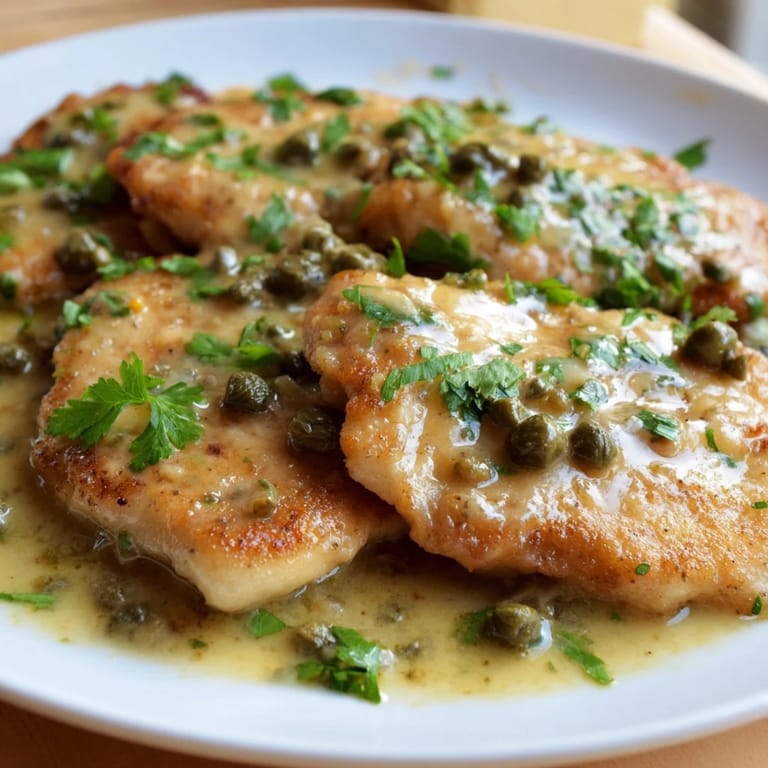
Save This recipe has become one of those dishes I make when I want to feel like I have my life together, even when everything else is chaos. It's simple enough that you don't need special skills, but it tastes impressive enough that everyone believes you're more of a cook than you actually are.
Kitchen Guide
- → How do I achieve tender chicken breasts?
Pounding chicken breasts to an even thickness ensures they cook evenly and remain tender throughout.
- → Can I substitute wine in the sauce?
Yes, dry white wine can be replaced with chicken broth for a non-alcoholic version without losing depth of flavor.
- → What is the purpose of dredging the chicken in flour?
Dredging helps create a light crust on the chicken and thickens the sauce when combined with the creamy lemon mixture.
- → How long should I simmer the sauce?
Simmer the sauce for 2–3 minutes until it slightly thickens and the flavors meld beautifully.
- → What sides complement this dish well?
Serve with pasta, steamed rice, or crusty bread to soak up the flavorful sauce and complete the meal.