 Save
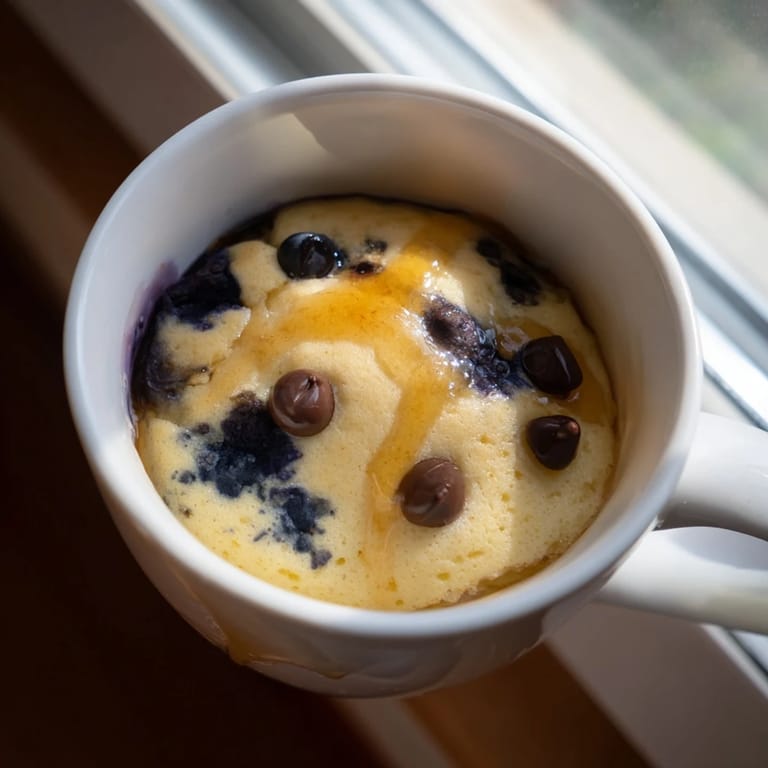
Save I discovered mug pancakes on a Monday morning when I was running late and the thought of waiting for a griddle to heat up felt impossible. A friend had mentioned making pancakes in the microwave once, and I remembered thinking it sounded ridiculous—until I tried it and watched thick, fluffy pancakes puff up in my mug in what felt like magic. Now whenever I need breakfast in under five minutes, this is what I reach for, and I've converted at least a dozen skeptics since then.
I'll never forget making these for my nephew on a random Saturday when he arrived hungry and impatient, complaining that pancakes took too long. Watching his face when I poured batter into a mug and he realized five minutes later he had an actual hot pancake—fluffy, not rubbery—was worth every bit of the small-batch hassle.
Ingredients
- All-purpose flour: The base that gives you structure—I've learned that measuring by weight works better than eyeballing if you're fussy about texture.
- Baking powder: This is what creates the fluff, so don't skip it or replace it with baking soda without adjusting.
- Granulated sugar: A tablespoon is the sweet spot; any more and the pancake tastes like cake, any less and it feels flat.
- Salt: Just a pinch, but it's the secret ingredient that makes everything taste more like pancake and less like sweet bread.
- Milk: Cold or room temperature doesn't matter much, but I've found cold milk mixes slightly better and creates a lighter crumb.
- Unsalted butter, melted: This keeps the pancake tender and rich—use real butter if you can, because it changes the taste noticeably.
- Vanilla extract: A quarter teaspoon adds something subtle but important, a kind of warmth you can't quite name.
- Maple syrup: Or honey, or even nothing—the pancake is good on its own, but syrup makes it feel like breakfast instead of an accident.
- Optional toppings: Chocolate chips, berries, or powdered sugar transform this from practical to indulgent in seconds.
Tired of Takeout? 🥡
Get 10 meals you can make faster than delivery arrives. Seriously.
One email. No spam. Unsubscribe anytime.
Instructions
- Prepare your mug:
- Use a microwave-safe mug that's at least twelve ounces—I learned this the hard way after watching batter climb the microwave walls. A quick rub of butter inside prevents sticking better than you'd expect.
- Combine the dry ingredients:
- Dump flour, baking powder, sugar, and salt into the mug and stir them together until there are no flour pockets. This takes maybe thirty seconds and it's worth doing properly.
- Add the wet ingredients:
- Pour in milk, melted butter, and vanilla, then stir until the batter is smooth and homogeneous. This is where people overmix out of nervousness—stop as soon as everything is combined and you'll get a lighter pancake.
- Microwave:
- Set it for ninety seconds on high, though every microwave is different and you might need to check around seventy seconds. You're looking for the pancake to rise and set, with the top no longer wet and jiggly.
- Cool and serve:
- Let it sit for a minute so you don't burn your mouth, then add whatever toppings feel right. Eat it straight from the mug if you're alone, or transfer it to a plate if you're trying to impress someone.
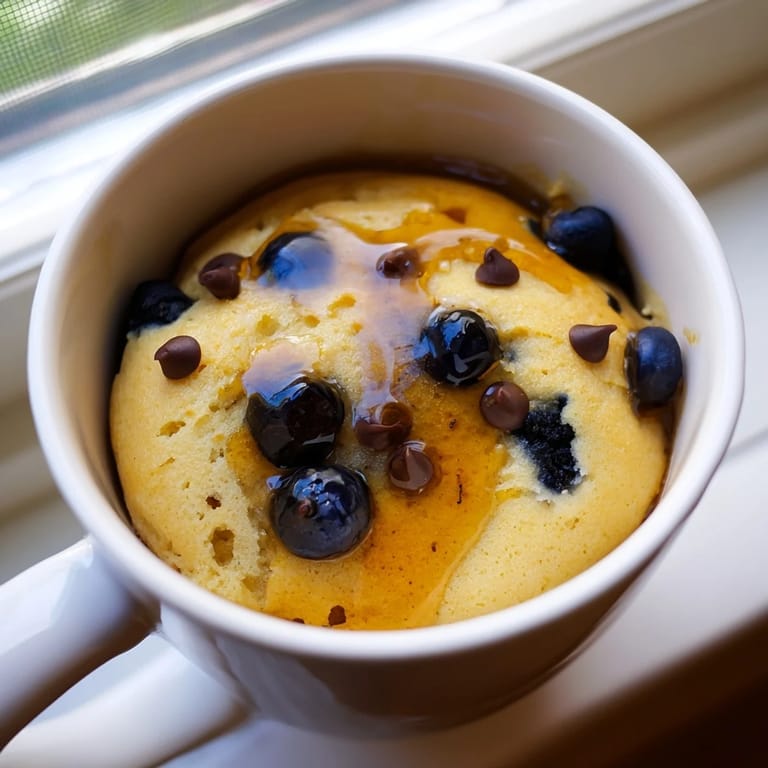 Save
Save There's something almost meditative about eating breakfast straight from a mug while standing in your kitchen half-awake, knowing you've created something warm and real in less time than it takes to shower. It feels like a small cheat code in an ordinary morning.
The Microwave Magic
I used to think microwaves could only reheat food or make it rubbery, until this experiment proved me wrong. The concentrated heat creates steam inside the mug that actually lightens the batter instead of making it dense, which runs counter to everything I thought I knew about microwave cooking. The key is that the batter is contained on all sides, steaming gently rather than drying out, and it somehow produces something remarkably close to what a skillet would give you.
Variations and Flavor Swaps
I've made versions of this with almond milk for people who avoid dairy, and they turn out just as fluffy if you don't second-guess yourself. Chocolate chips stirred in before microwaving melt slightly and create little pockets of richness that make it feel decadent for a weekday breakfast. I've also tried different extracts—almond, lemon zest—and each one shifts the flavor just enough to make the recipe feel new.
When to Make This and When to Skip It
These are perfect when you're alone, rushing, or too tired to stand at a stove, but they're also honest enough to serve to a friend without feeling like you're cutting corners. They're terrible if you're cooking for a crowd because the math gets exhausting, or if you're in the mood for the ritual of flipping pancakes and smelling them cook slowly. Make these when breakfast needs to be efficient, not when it needs to be an experience.
- Grease your mug generously even though it seems excessive—the pancake sticks more than you'd think.
- If your microwave runs hot, start checking at seventy seconds or risk a dry, overcooked pancake.
- Eat it within a few minutes or it hardens, so plan to sit down right away instead of letting it cool on the counter.
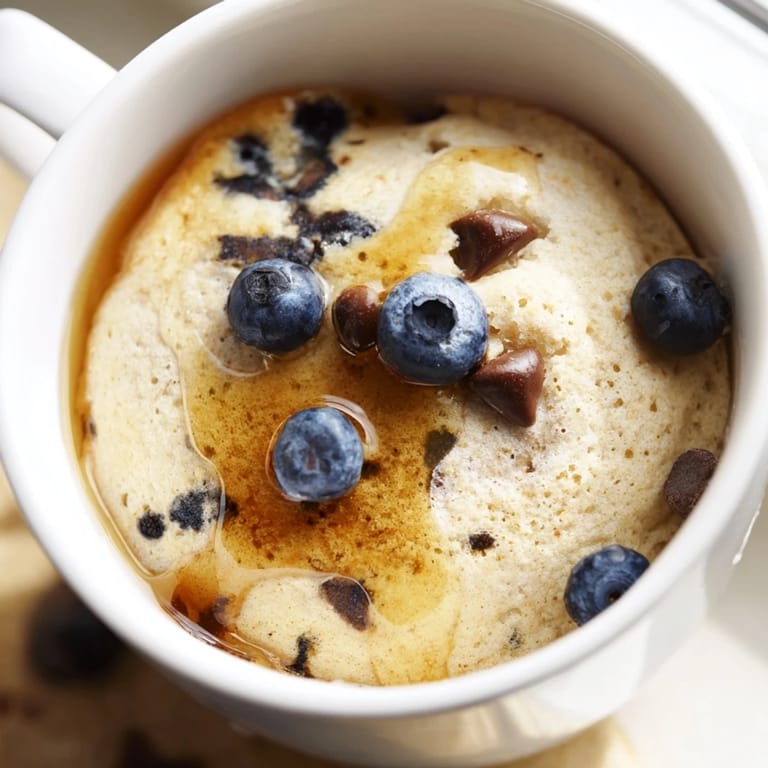 Save
Save This recipe proves that the fastest breakfasts can still taste intentional and delicious, and that sometimes the most creative cooking happens when you're desperate and impatient. Once you make these a few times, they become your emergency pancake knowledge.
Kitchen Guide
- → How do I prevent the batter from overflowing the mug?
Fill the mug only halfway to two-thirds full to allow space for the batter to rise while cooking.
- → Can I add mix-ins before cooking?
Yes, adding chocolate chips or berries before microwaving enhances flavor and texture.
- → What type of mug works best for cooking?
A large microwave-safe mug (at least 12 oz/350 ml capacity) is ideal to accommodate rising batter.
- → Can I substitute ingredients for dietary preferences?
Plant-based milk and oil can replace milk and butter for a vegan-friendly version.
- → How do I know when the pancakes are cooked?
After microwaving about 90 seconds, the pancakes should be risen and set; check for a firm texture.