 Save
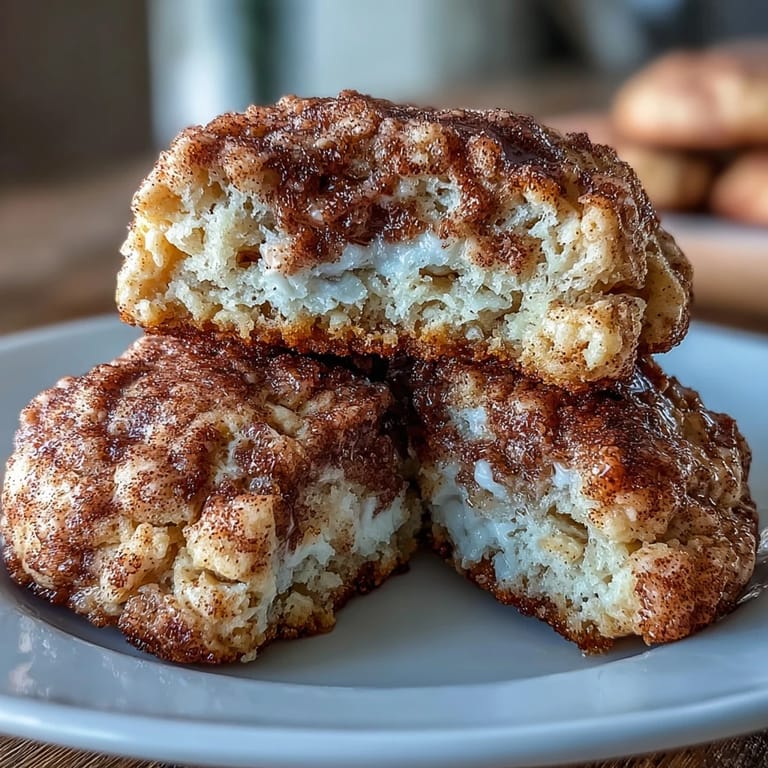
Save My neighbor handed me a warm cookie from a tin one afternoon, and I bit into something I'd never experienced before—soft, almost cake-like, with this subtle tangy undertone that made me pause mid-chew. She laughed at my expression and whispered that cottage cheese was her secret weapon. I spent the next week experimenting in my kitchen, rolling dough in cinnamon sugar, opening the oven door too many times, and eventually landing on these pillowy snickerdoodles that taste like nostalgia wrapped in something completely modern.
I brought these to a book club meeting where someone with dietary restrictions could finally enjoy snickerdoodles without the typical heaviness, and watching her eat two while actually conversing instead of politely declining felt like I'd cracked some kind of code. That moment made me realize these cookies bridge gaps—they're gentle enough for sensitive stomachs but indulgent enough to feel like a real treat, not a compromise.
Ingredients
- Cottage cheese (1 cup, full-fat or low-fat): This is where the magic happens—it adds moisture and a subtle tang that transforms an ordinary snickerdoodle into something memorable, and full-fat gives you a richer result if you have the option.
- Unsalted butter (1/2 cup, softened): Softening it beforehand takes thirty seconds of planning and prevents lumps that would otherwise hide in your batter.
- Granulated sugar (1 cup for dough, plus 1/4 cup for coating): The balance here matters; too little and you lose sweetness, too much and the cookies spread into thin wafers.
- Large egg: This binds everything while keeping the dough tender—room temperature works best since cold eggs need extra beating time.
- Vanilla extract (2 tsp): Pure vanilla makes a noticeable difference; I learned this the hard way when I once grabbed imitation in a rush.
- All-purpose flour (2 1/4 cups): Measure by spooning and leveling rather than scooping straight from the bag, which packs flour and creates dense cookies.
- Cream of tartar (1 1/2 tsp): This is the soul of a snickerdoodle—it reacts with baking soda to create lift and adds a subtle tang that deepens the cottage cheese flavor.
- Baking soda (1/2 tsp) and baking powder (1/2 tsp): Together they create the right rise; using both ensures light, pillowy cookies that aren't too cakey.
- Salt (1/2 tsp): Even a pinch amplifies sweetness and prevents the cookies from tasting flat.
- Ground cinnamon (2 tsp for dough coating, plus more if you like): Fresh cinnamon makes a measurable difference in flavor—check your tin if it's been sitting longer than a year.
Tired of Takeout? 🥡
Get 10 meals you can make faster than delivery arrives. Seriously.
One email. No spam. Unsubscribe anytime.
Instructions
- Prepare your space:
- Preheat the oven to 350°F and line two baking sheets with parchment paper while you gather ingredients—this thirty-second habit prevents half-baked mistakes later.
- Blend the wet ingredients:
- Beat cottage cheese, softened butter, and sugar together until the mixture looks smooth and creamy, which usually takes a couple of minutes with an electric mixer. You want no visible cottage cheese lumps; the batter should be almost pale and fluffy.
- Incorporate egg and vanilla:
- Add the egg and vanilla extract, mixing until everything is fully combined and the batter looks homogeneous. Don't rush this step—a few extra seconds of mixing ensures the egg fully incorporates without overworking the dough.
- Combine dry ingredients separately:
- In another bowl, whisk together flour, cream of tartar, baking soda, baking powder, and salt to distribute the leavening agents evenly. This prevents random pockets of baking soda that can taste metallic.
- Bring it together gently:
- Gradually add the dry mixture to the wet ingredients, stirring with a spatula until just combined—stop the moment you see no white streaks of flour. Overmixing develops gluten, which turns these cookies tough instead of tender.
- Make your cinnamon sugar coating:
- Mix sugar and cinnamon in a small bowl and set it within arm's reach; having it ready makes the next step feel less chaotic.
- Shape and coat:
- Scoop tablespoon-sized portions of dough, roll each into a ball between your palms, then roll in cinnamon sugar until covered on all sides. The cinnamon sugar sticks better when the dough is still slightly warm from mixing.
- Space them properly:
- Place cookies about 2 inches apart on your prepared baking sheets to allow for slight spreading without touching.
- Bake with intention:
- Bake for 11 to 13 minutes, watching for the moment when edges look set but the centers still appear slightly underbaked—they continue cooking on the hot pan as they cool. This is the difference between a soft cookie and a crunchy one.
- Cool strategically:
- Let cookies rest on the baking sheet for 5 minutes before transferring to a wire rack; this brief rest allows them to firm up slightly without hardening completely.
 Save
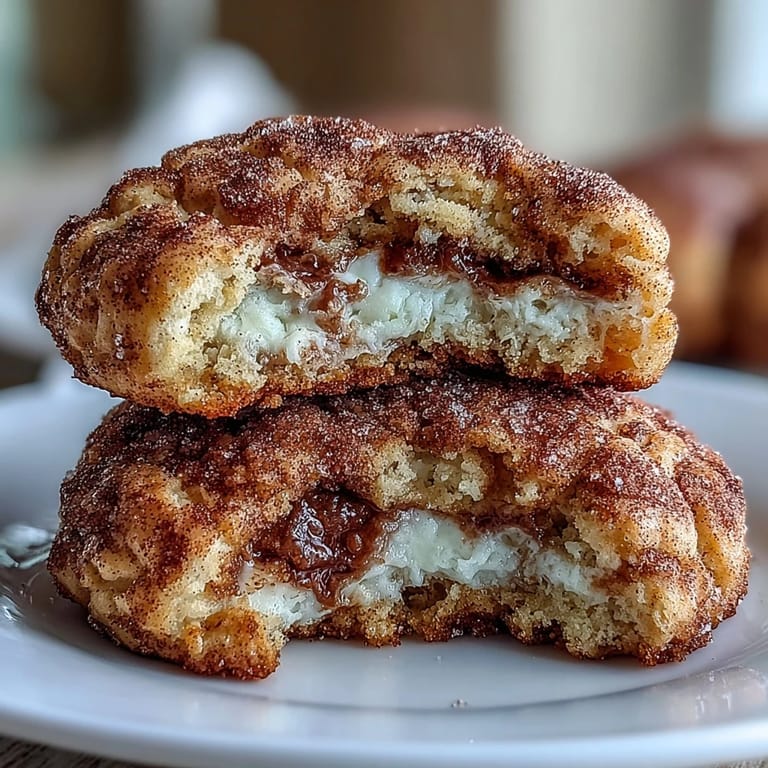
Save My daughter once asked if these were a real snickerdoodle, and when I told her they were just a different kind, she said the cottage cheese made them "less crunchy but more like a cloud," which is exactly the poetry I was aiming for. That's when I realized these cookies aren't just a recipe—they're a bridge between tradition and experimentation, proof that adding something unexpected can honor a classic instead of betraying it.
Storage and Keeping
These cookies stay soft in an airtight container for up to five days, though honestly they rarely last that long in my house. The cottage cheese keeps them moist longer than typical snickerdoodles would be, which means you can bake a batch early in the week and still have soft cookies come Friday.
Flavor Variations Worth Trying
Once you've made these a few times, you'll start seeing possibilities everywhere—a pinch of nutmeg in the cinnamon sugar gives them a warmer, almost doughnut-like quality, while swapping the vanilla for almond extract creates something entirely different but equally delicious. I've also experimented with substituting ricotta for cottage cheese when I wanted a milder tang, and the cookies turn out slightly more delicate, which is perfect if you're serving people who find tanginess off-putting.
Pairing and Serving Suggestions
These cookies taste best alongside something warm—chai tea if you want spiced companionship, coffee if you want to amplify the subtle toasted notes that develop during baking, or even hot chocolate if you're feeling indulgent. I've learned that the presentation matters too; stacking them on a plate with a small cinnamon stick leaning against the stack transforms them from a casual snack into something you'd serve at a proper gathering.
- Pair with chai tea or a strong cup of coffee for maximum coziness.
- Stack on a plate with cinnamon sticks for a pretty presentation that makes people feel cared for.
- Store in an airtight container and eat within five days for optimal softness.
 Save
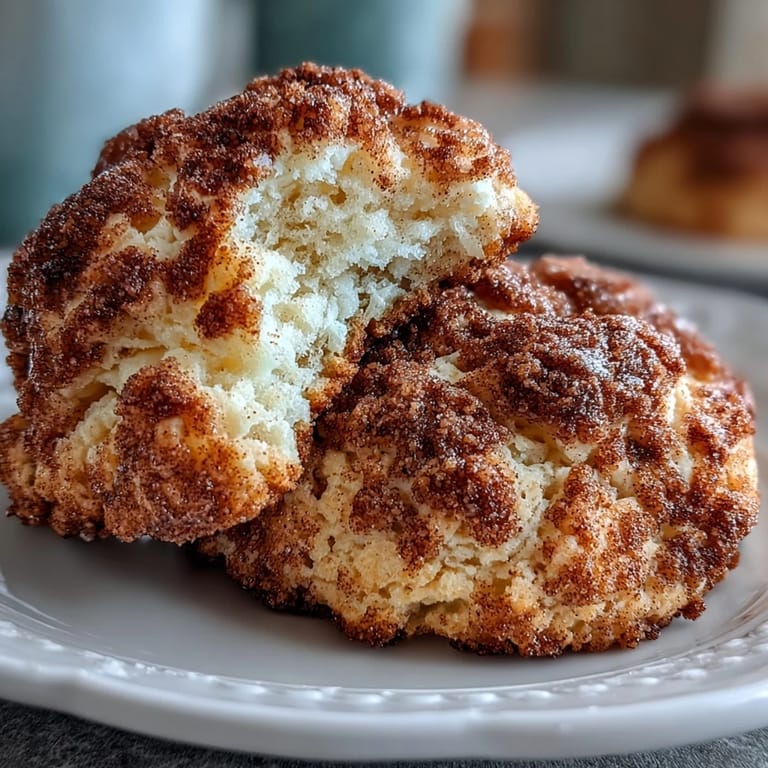
Save These cookies remind me that cooking isn't about following rules perfectly—it's about understanding why each ingredient matters and trusting your instincts when something feels right. Once you make them, you'll understand why my neighbor guarded that cottage cheese secret so carefully.
Kitchen Guide
- → What does cottage cheese add to the cookies?
Cottage cheese provides moisture and a subtle tang, resulting in a soft, tender texture and a slight creamy flavor.
- → How can I ensure the cookies stay soft?
Avoid overbaking by removing the cookies once edges are set but centers look slightly soft. Cooling on the baking sheet helps retain moisture.
- → Can I substitute any ingredients for dietary preferences?
You can replace cottage cheese with ricotta for a milder taste, and use unsalted butter or a plant-based alternative to modify fat content.
- → What is the purpose of cream of tartar in this dough?
Cream of tartar helps to create the characteristic soft, chewy texture and slightly tangy flavor reminiscent of classic cinnamon sugar treats.
- → How do I get the cinnamon sugar coating to stick well?
Roll the dough balls thoroughly in the cinnamon sugar mixture before baking to ensure an even, fragrant coating on each cookie.