 Save
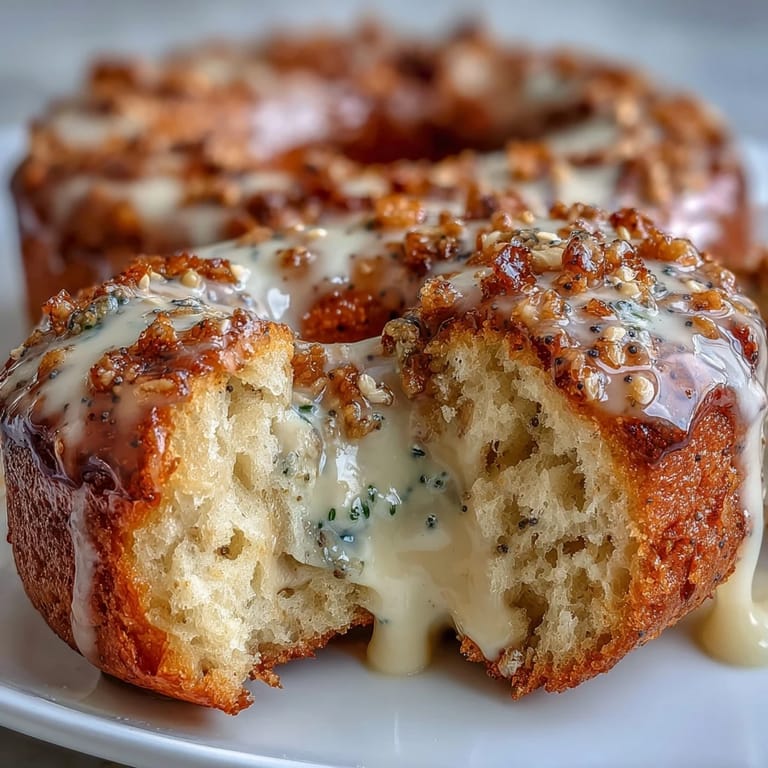
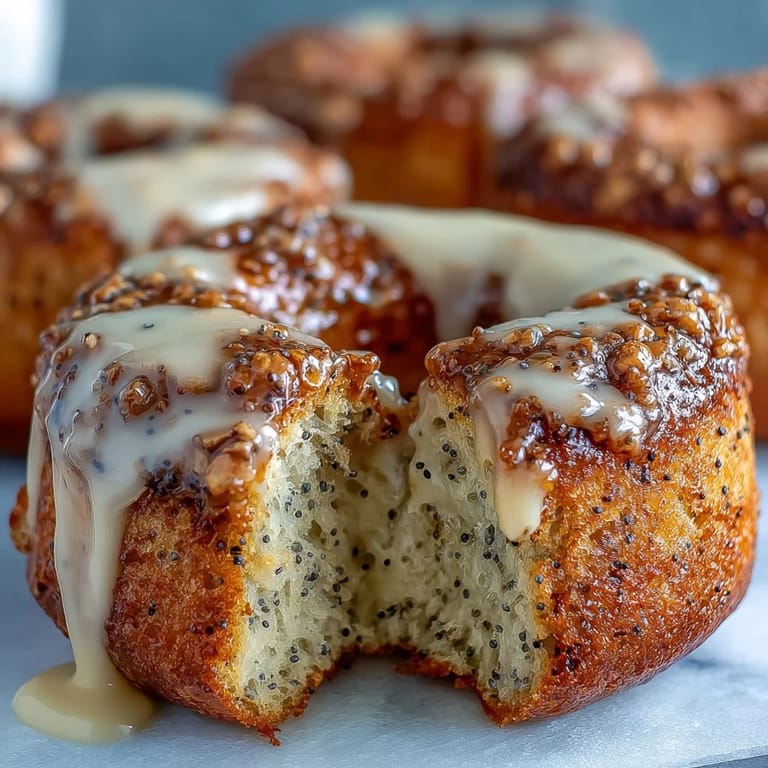
Save My kitchen filled with the scent of lemon and butter one Tuesday morning when I decided protein powder didn't have to taste like punishment. I was tired of dense, rubbery protein snacks, so I started wondering what would happen if I treated a bagel dough like a blank canvas, brightening everything with fresh lemon zest and poppy seeds. The first batch came out pillowy and surprisingly light, and suddenly I was making these every weekend, watching friends grab them straight from the cooling rack with disbelief that something this fluffy could pack 13 grams of protein.
I made these for a friend's morning book club and watched five women fight over the last one while debating whether they could have them for lunch too. Someone asked if I'd used some fancy bakery technique, and I loved that honest moment of admitting the secret was just good ingredients and a gentle hand with the dough. That's when I knew these bagels had crossed over from "healthy choice" to "something people actually want."
Ingredients
- Bread flour (2 cups): Use bread flour, not all-purpose, because the higher gluten content gives you that chewy bagel texture instead of a dense protein cake.
- Vanilla or unflavored whey protein powder (1 cup): This is the structural hero that keeps everything tender; vanilla adds subtle sweetness while unflavored lets the lemon shine completely.
- Poppy seeds (2 tbsp): Toast them lightly in a dry pan before adding if you want an almost nutty depth that catches people off guard.
- Baking powder (1 tbsp): Essential for lift since we're skipping yeast; don't skip or reduce this.
- Fine sea salt (1/2 tsp): Balances sweetness and makes the lemon flavor pop brighter.
- Granulated sugar (1/4 cup): Works with the lemon to create that breakfast-y sweetness without being overdone.
- Lemon zest from 2 lemons: Microplane it fine and add it to dry ingredients so the bright oils distribute evenly throughout.
- Plain Greek yogurt (1 cup): Non-fat or low-fat works best; this creates moisture and tang that balances protein powder's density.
- Egg (1 large for dough): Binds everything and adds richness that makes the crumb tender.
- Fresh lemon juice (1 tbsp in dough): Brightens flavor and tenderizes the crumb slightly.
- Unsalted butter, melted (2 tbsp): Adds richness without overpowering the lemon.
- Water for boiling (2 quarts) with honey (1 tbsp): The honey creates a subtle sweetness on the crust and helps browning; standard boiling water works but feels less intentional.
- Egg wash (1 egg beaten with 1 tbsp water): Creates that glossy, finished bagel appearance.
- Powdered sugar (3/4 cup for glaze): Keep it fine and lump-free for a smooth glaze.
- Fresh lemon juice and zest for glaze: Use juice that's at room temperature so it mixes smoothly without seizing the sugar.
Tired of Takeout? 🥡
Get 10 meals you can make faster than delivery arrives. Seriously.
One email. No spam. Unsubscribe anytime.
Instructions
- Heat your oven and prep your stage:
- Preheat to 375°F (190°C) and line your baking sheet with parchment paper so nothing sticks and cleanup feels like a gift to your future self.
- Combine all the dry elements:
- Whisk bread flour, protein powder, poppy seeds, baking powder, salt, sugar, and lemon zest in a large bowl, making sure the zest is evenly distributed and everything looks uniform. This whisking step prevents clumpy protein powder pockets that can taste unpleasant.
- Mix the wet base:
- In a separate bowl, stir Greek yogurt, egg, lemon juice, and melted butter until completely smooth and integrated. A few seconds with a whisk makes this faster and ensures no hidden yogurt lumps.
- Bring wet and dry together:
- Pour wet ingredients into dry and mix gently with a wooden spoon until shaggy, then knead by hand for 2 to 4 minutes until the dough becomes soft and slightly tacky. The dough should feel alive in your hands, not stiff or soupy; if it's too dry, add yogurt by the tablespoon, and if it's sticky, dust with a bit more flour.
- Shape your bagels:
- Divide dough into 8 equal portions by eye or with a scale if you're feeling precise, roll each into a smooth ball, then poke your thumb through the center and gently stretch it into a bagel shape with a hole about the size of a quarter. The holes shrink slightly during boiling and baking, so aim for generous at first.
- Let them rest:
- Arrange bagels on the baking sheet, cover loosely with a towel, and let them sit for 15 minutes at room temperature, which gives the dough time to relax and the flavors to meld slightly.
- Prepare the boiling bath:
- Bring 2 quarts of water and 1 tablespoon of honey to a gentle boil in a large pot, then reduce heat to a simmer so the water moves gently and won't deflate your bagels.
- Boil in batches:
- Working in batches so you don't crowd the pot, slide bagels into simmering water and let them float for 30 seconds per side, then scoop them out with a slotted spoon, allowing excess water to drip off before returning them to the baking sheet. This quick boil creates that chewy crust without making them soggy.
- Brush and bake:
- Once all bagels are boiled and back on the sheet, brush each one with egg wash so they'll develop that glossy, professional-looking finish, then bake for 18 to 22 minutes until deep golden brown and firm to a gentle tap. Start checking at 18 minutes because ovens vary.
- Cool completely:
- Transfer bagels to a cooling rack and let them sit until completely cool before glazing, which usually takes about 20 minutes; this cooling step is crucial because the glaze will slide right off warm bagels.
- Make the glaze:
- While bagels cool, whisk together powdered sugar, fresh lemon juice, and lemon zest until you reach a consistency that drizzles smoothly but isn't soup. If it's too thick, add drops of lemon juice; if too thin, sift in more powdered sugar.
- Glaze and set:
- Drizzle the glaze over completely cooled bagels in whatever pattern feels right, then let them sit undisturbed for 10 to 15 minutes so the glaze sets and doesn't feel wet when you bite into them.
 Save
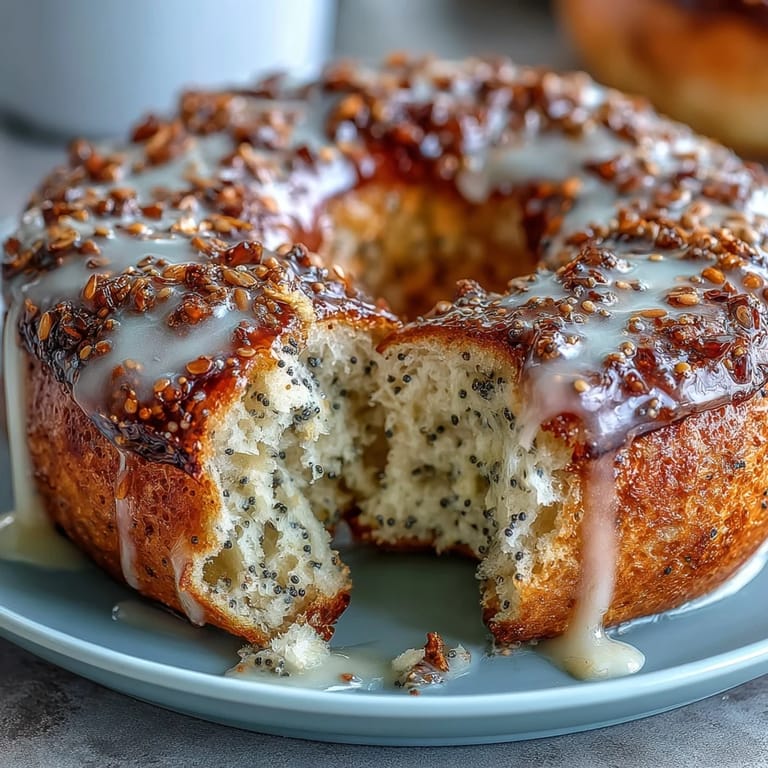
Save My mom grabbed one of these still warm from the rack, took a bite, and said, "This doesn't taste like you're trying to be healthy," which felt like the highest possible compliment. She asked for the recipe that same afternoon, and now she texts me photos of her morning bagels like she's discovered the secret to joy.
Why These Aren't Your Typical Protein Bagels
Most high-protein bagels taste like someone forced protein powder into a bagel mold and called it done. These are different because the lemon zest and poppy seeds actively fight against any powdery taste, and the Greek yogurt adds moisture that keeps the crumb tender instead of that rubbery, chalky thing that makes you regret your healthy choice. The boiling step is what separates these from dense protein breads, creating that characteristic chew that makes people genuinely excited to eat one.
Storage and Make-Ahead Magic
These bagels stay genuinely fresh in an airtight container for three days at room temperature, which is wild for something this fluffy. I've frozen them for up to two months and found that toasting them straight from frozen brings back almost all their original texture, making them perfect for those mornings when you planned ahead but didn't feel like baking. They're also spectacular toasted with light cream cheese, almond butter, or even smashed avocado if you're feeling fancy for a weekend breakfast.
Flavor Variations and Personal Touches
Once you nail the base recipe, this dough becomes a canvas for your own experiments. I've added a few drops of lemon extract to intensify the flavor, switched to dairy-free yogurt for friends with sensitivities, and even tried a blueberry version that surprised everyone. The glaze is flexible too; you can make it tangier with extra lemon juice, sweeter with more sugar, or even skip it entirely if you prefer the subtle sweetness of the baked bagel alone.
- Lemon extract: A few drops go a long way and create almost a lemon curd intensity if you're craving maximum flavor.
- Dairy-free swaps: Use coconut or almond yogurt and dairy-free butter, but check that your protein powder is also dairy-free since many aren't.
- Toasting transforms them: Even day-old bagels wake up beautifully in a toaster, creating a crispy exterior while the inside stays tender.
 Save
Save These bagels proved to me that healthy eating doesn't mean sacrificing flavor or texture, and that's something worth keeping in your rotation. Make them once, and they'll become the breakfast everyone asks you about.
Kitchen Guide
- → What gives these bagels their bright lemon flavor?
Fresh lemon zest and juice are incorporated into both the dough and glaze, delivering a vibrant citrus taste throughout.
- → How does boiling with honey affect the bagels?
Boiling in water with honey enhances the crust’s shine and adds a subtle sweetness, contributing to the bagel’s characteristic texture.
- → Can I substitute the protein powder used in the dough?
Yes, you can use vanilla or unflavored whey protein powder. For alternative options, consider plant-based protein but adjust liquid ratios accordingly.
- → What is the purpose of the egg wash before baking?
Brushing with egg wash adds a glossy, golden finish to the bagels and helps the toppings adhere better.
- → How should leftover bagels be stored for freshness?
Store in an airtight container at room temperature for up to three days or freeze them for longer storage, up to two months.