 Save
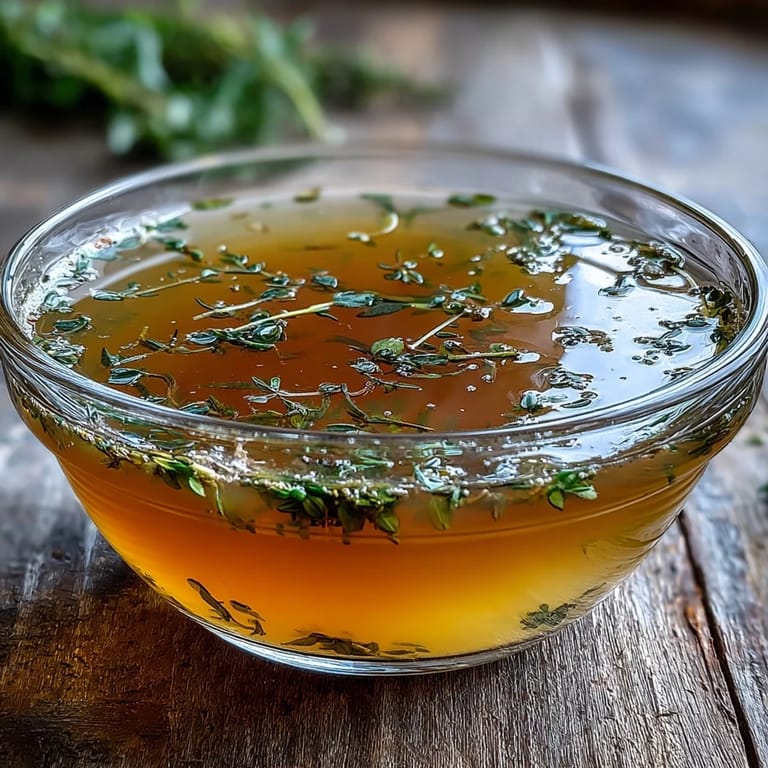
Save My kitchen drawer where vegetable scraps live has become something of a treasure chest. Instead of tossing carrot peels and celery ends into the compost, I started saving them in a container, and one quiet afternoon, I realized I had enough for a proper broth. That first batch simmered for an hour while I sorted through old recipe cards, filling my kitchen with this gentle, golden aroma that felt less like cooking and more like creating something from nothing at all.
I brought a thermos of this broth to my neighbor one winter morning when she was under the weather, and watching her face light up at the taste reminded me that sometimes the most nourishing things in life come from scraps and patience. She started saving her vegetable trimmings after that, and now we trade batches like some kind of informal broth club.
Ingredients
- Vegetable Scraps: Four cups of carrot peels, onion skins, celery ends, leek tops, mushroom stems, parsley stems, and garlic skins create the backbone of your broth, but avoid potato peels and brassicas which turn bitter.
- Bay Leaf: One leaf adds a subtle earthy note that somehow makes everything taste more intentional.
- Black Peppercorns: Five to seven seeds provide warmth without sharpness, unfolding their flavor over the long simmer.
- Garlic: Two cloves crushed optional but highly encouraged if you want the broth to feel like a hug in a cup.
- Salt: One teaspoon optional and adjustable, though I learned to hold back since you might use this in other dishes.
- Fresh Thyme: One sprig or half a teaspoon dried brings an herbal subtlety that lingers on the palate.
- Cold Water: Eight cups is the canvas upon which everything else becomes liquid gold.
Tired of Takeout? 🥡
Get 10 meals you can make faster than delivery arrives. Seriously.
One email. No spam. Unsubscribe anytime.
Instructions
- Gather and Prep Your Scraps:
- Collect your clean vegetable trimmings in a bowl and give them a quick rinse if they seem dusty. Avoid potato peels, broccoli, cauliflower, or cabbage since they'll cloud your broth or add harsh flavors you don't want.
- Build Your Flavor Base:
- Place all your scraps into a large stockpot along with the bay leaf, peppercorns, crushed garlic, salt, and thyme. Arrange them so they sit loosely and breathe.
- Cover with Water:
- Pour in the cold water until everything is submerged, then give it a gentle stir. You'll notice how the vegetables look almost purposeful now, like you've actually meant to do this all along.
- Bring to a Boil Then Simmer:
- Turn the heat to medium-high and let it come to a rolling boil, then lower it to a gentle simmer where you see just the occasional bubble breaking the surface. This is where patience becomes an ingredient.
- Let It Steep and Skim:
- Simmer uncovered for 45 to 60 minutes, skimming off any foam that rises to the top with a ladle or spoon. The broth will gradually deepen in color and become more fragrant.
- Taste and Season:
- After about 45 minutes, taste a spoonful and decide if it needs more salt or any adjustments. This is your moment to make it exactly right.
- Strain Into Clarity:
- Pour everything through a fine-mesh sieve or cheesecloth into a clean container, letting the liquid drain slowly while the solids stay behind. Don't rush this step.
- Cool and Store:
- Let the broth cool completely before transferring to airtight containers where it will keep in the refrigerator for five days or frozen for up to three months. You've just created liquid sustainability.
 Save
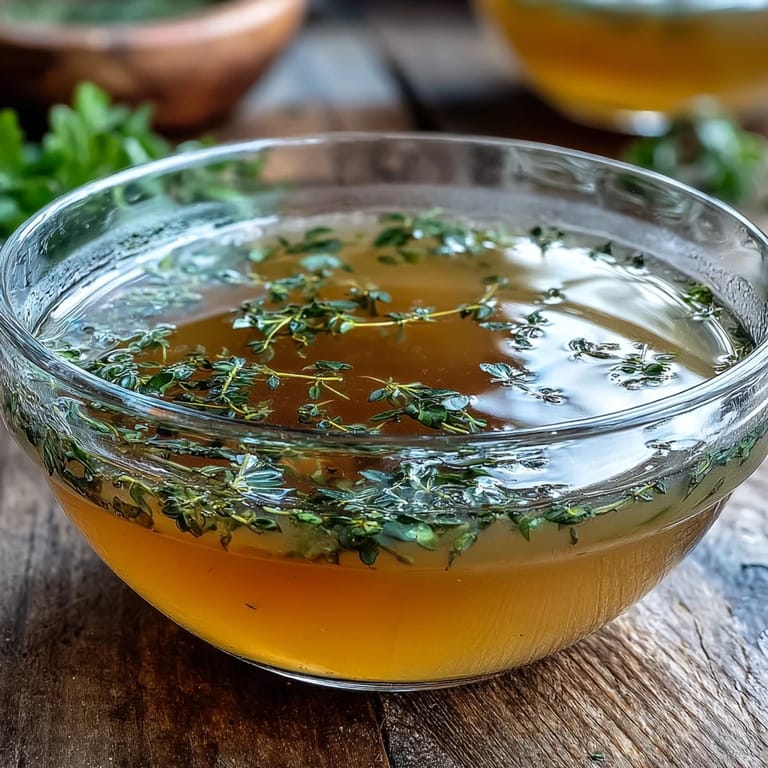
Save There's something almost meditative about having homemade broth waiting in your freezer, ready to become a quick soup or the foundation for risotto on a busy weeknight. It feels like being prepared for whatever the kitchen might ask of you next.
The Scrap-Saving Mindset
Once you start saving vegetable trimmings, you stop seeing them as waste and start seeing them as potential. I keep a container in my refrigerator specifically for this purpose, and I've noticed that over a week or two, I naturally accumulate enough for a full batch without any effort. The habit transforms how you cook, making you more aware of what usually gets thrown away.
When to Roast for Extra Depth
If you want a broth that tastes like it simmered for hours, roasting those scraps first makes all the difference. Spread them on a baking sheet, toss lightly with a bit of oil if you have it, and roast at 400°F for 20 minutes until they're caramelized at the edges. The Maillard reaction does the heavy lifting, creating flavors that plain simmering simply cannot achieve.
Beyond the Basic: Flavor Upgrades
Once you've mastered the simple version, you can start experimenting with additions that shift the entire character of your broth. A small piece of kombu or a handful of dried mushrooms adds umami that makes even simple soups taste restaurant-quality. I've also added star anise for warmth, ginger for brightness, and even apple peels for subtle sweetness depending on what I'm planning to cook with it.
- A strip of kombu or a few dried shiitake mushrooms adds savory depth without dominating the flavor profile.
- Keep salt light when making broth for other recipes since you'll likely add seasoning later as you cook.
- Label your frozen containers with the date so you know exactly when you made them and use the oldest batches first.
 Save
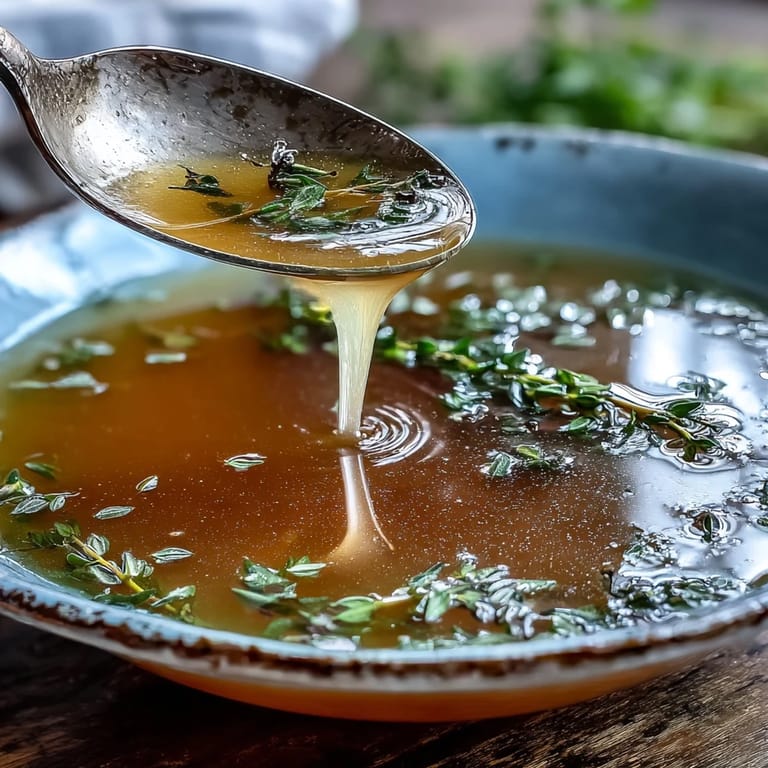
Save Making broth from scraps feels like you're in on a small secret that most people overlook, and once you taste the difference it makes, you'll wonder why you ever bought those sad little boxes at the store. Your kitchen, your soups, and your conscience will all thank you for it.
Kitchen Guide
- → What vegetables should I avoid adding?
Skip potato peels, brassicas like broccoli and cauliflower, and overly starchy or sweet vegetables. These can cause bitterness or cloudiness in your finished broth.
- → How long does the broth stay fresh?
Store in airtight containers in the refrigerator for up to 5 days, or freeze for up to 3 months. Let cool completely before refrigerating.
- → Can I enhance the flavor further?
Roast vegetable scraps at 200°C (400°F) for 20 minutes before simmering for deeper richness. Add kombu or dried mushrooms for extra umami depth.
- → Should I add salt during cooking?
Add salt sparingly or omit entirely if using the broth as a base for other dishes. This allows better control over sodium levels in final preparations.
- → What parts of vegetables work best?
Carrot peels, onion skins, celery ends, leek tops, mushroom stems, parsley stems, and garlic skins all contribute excellent flavor. Ensure scraps are fresh and clean.