 Save
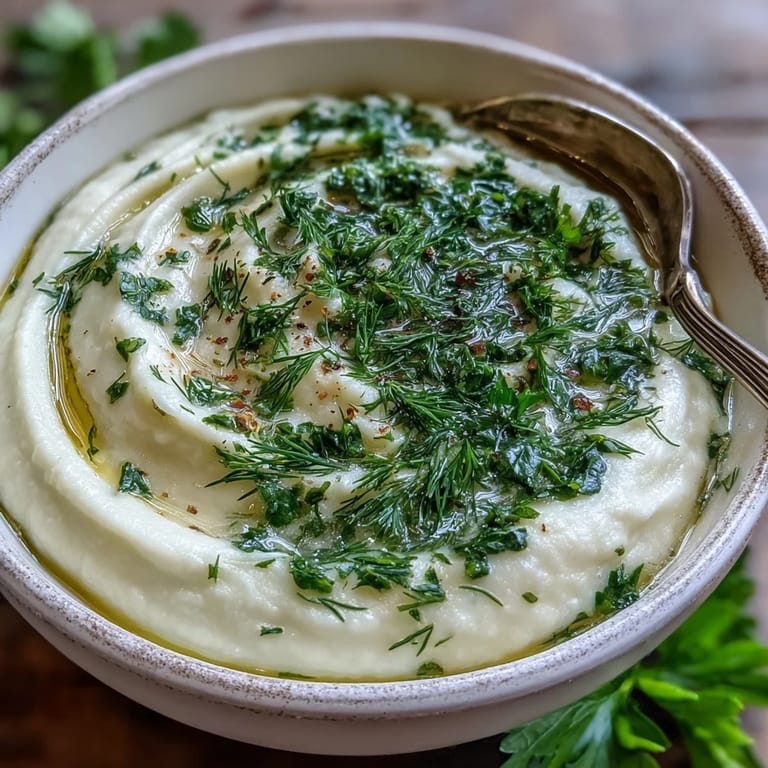
Save There's something about the smell of roasting parsnips that catches you off guard, if you're honest. I'd been standing in front of the open oven one autumn afternoon, watching them turn golden and caramelized, when my partner wandered in asking what smelled so warm. That's when I realized this soup had become less about following a recipe and more about creating that moment, that feeling of something genuinely nourishing taking shape.
I made this for someone who thought they didn't like parsnips. They scraped the bowl clean and asked for the recipe, which is the kind of small victory that stays with you. Now whenever I make it, I think about how a single soup changed their mind about an entire vegetable, and how many other quiet moments like that happen in kitchens without fanfare.
Ingredients
- Parsnips, 800 g peeled and chunked: These are the star, and roasting them is non-negotiable because it deepens their flavor in ways boiling never could.
- Onion, 1 medium chopped: Adds sweetness and body, and roasting it alongside the parsnips means you're building layers of flavor from the start.
- Garlic cloves, 2 peeled: Just enough to give warmth without overpowering the delicate parsnip flavor.
- Potato, 1 medium peeled and diced: This creates the creamy texture through its natural starch, so you don't need cream or fancy thickeners.
- Vegetable stock, 1 L: Use a quality stock you'd actually drink, because it matters more than people realize when you're only using five base ingredients.
- Milk, 200 ml whole or plant-based: Added at the end for silkiness, not heaviness, so the soup stays bright and refined.
- Olive oil, 2 tbsp: Split between roasting and finishing, it's the backbone that carries everything together.
- Bay leaf, thyme, white pepper: Classic herbs that respect the parsnip rather than shout over it.
- Fresh parsley, chives, and dill, 2 tbsp each: These finish the soup with color and a fresh lift that makes all the difference between flat and vibrant.
Tired of Takeout? 🥡
Get 10 meals you can make faster than delivery arrives. Seriously.
One email. No spam. Unsubscribe anytime.
Instructions
- Get your oven ready and prep your vegetables:
- Heat the oven to 200°C and while it's warming, cut your parsnips into chunks roughly the size of walnuts, chop the onion into pieces, and leave the garlic cloves whole. This matters because even-sized pieces roast evenly.
- Roast until golden:
- Toss everything with olive oil and spread it on a baking tray in a single layer. Roast for 25 to 30 minutes, turning halfway through, until the edges are caramelized and golden. You'll know it's right when the kitchen smells sweet and slightly nutty.
- Build the soup base:
- Transfer the roasted vegetables to a large saucepan and add the diced potato, bay leaf, thyme, white pepper, and stock. Bring it to a boil, then lower the heat and let it simmer gently for 15 minutes until the potato is completely soft and falling apart.
- Blend until smooth:
- Remove the bay leaf and blend the soup using either a blender or an immersion blender. Work in batches if using a regular blender, and blend until there are absolutely no lumps and the color is a pale, creamy golden.
- Add milk and reheat gently:
- Return the blended soup to the pan, pour in the milk, and warm it through over gentle heat without letting it boil, which would make it separate or taste less refined.
- Finish with fresh herbs:
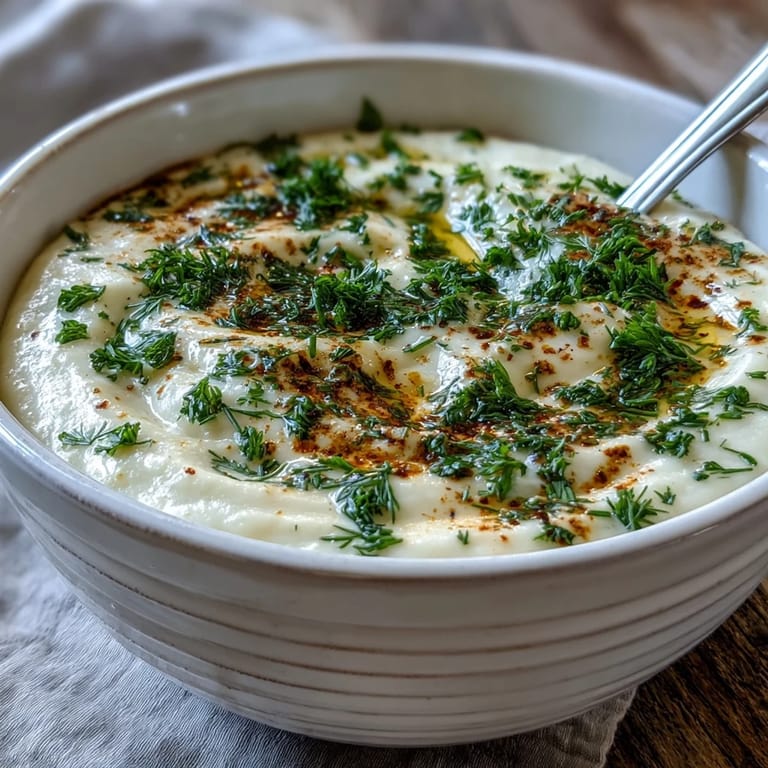
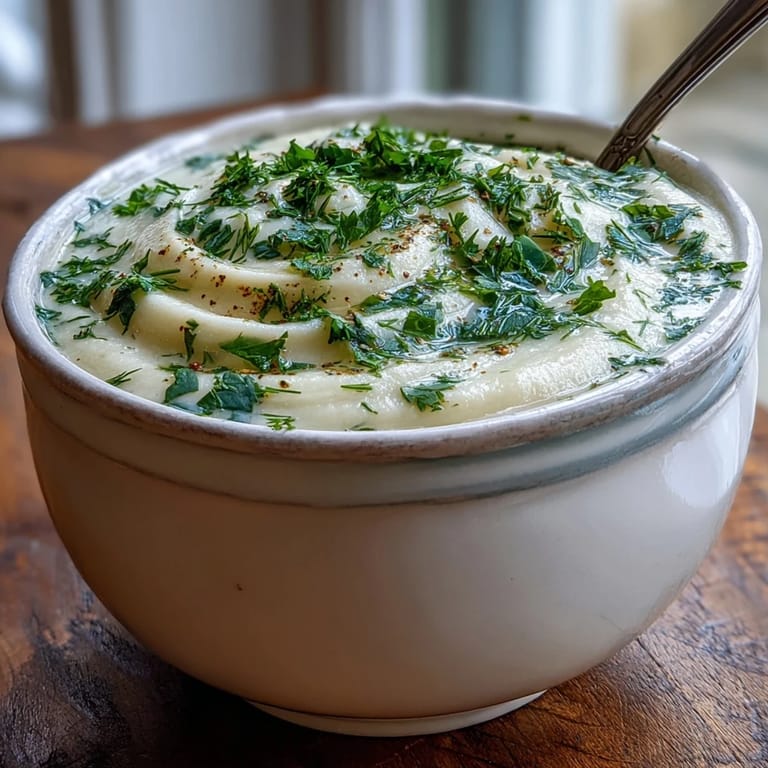
- Stir in the chopped parsley, chives, and dill, taste and adjust the salt, then ladle into bowls. A drizzle of olive oil or a small spoonful of cream on top catches the light and makes it feel special.
 Save
Save My neighbor knocked on the door during a snowstorm once because she'd smelled this soup and wanted to know what I was making. We ended up eating bowls of it together at my kitchen table, talking about nothing important, and it became one of those meals that was really about something else entirely.
Why Roasting Changes Everything
There's real chemistry that happens when you roast parsnips instead of boiling them straight into the pot. The heat caramelizes their natural sugars and creates this deep, almost nutty complexity that raw heat simply cannot achieve. The first time I skipped roasting to save time, the soup tasted thin and one-dimensional, and I learned that lesson firmly and have never forgotten it since.
Making It Your Own
This recipe is genuinely flexible once you understand the core method. Some people swear by adding a tiny pinch of nutmeg or ground cumin, which adds warmth without changing the essential character of the dish. Others blend in a handful of fresh sage or thyme, or finish with crispy sage leaves scattered on top for texture and a slightly peppery note.
- Try adding a crack of nutmeg or a small pinch of ground cumin if you want subtle warmth without obvious spice.
- For a richer version, replace half the stock with cream or coconut milk for more decadence.
- Serving it with crusty bread and good butter, or alongside a simple green salad, makes it feel like a complete meal rather than just a starter.
Pairing and Serving Ideas
This soup pairs beautifully with a crisp white wine like Sauvignon Blanc, or if you prefer something lighter, a dry cider cuts through the sweetness perfectly. The fresh herbs and delicate flavor make it work as an elegant dinner starter, but it's equally at home as a quiet lunch, reheated gently and eaten by yourself with good bread and butter.
 Save
Save This soup has taught me that sometimes the simplest dishes, built on technique and respect for good ingredients, become the ones people ask for again and again. That feels like magic, but it's really just patience and knowing when roasting matters.
Kitchen Guide
- → What makes this soup creamy?
The natural creaminess comes from roasted parsnips and diced potato, which break down during cooking to create a smooth, velvety texture without needing heavy cream.
- → Can I freeze this soup?
Absolutely. Allow to cool completely before freezing in portions for up to 3 months. Thaw overnight in the refrigerator and reheat gently, stirring in the fresh herbs just before serving.
- → What herbs work best?
Parsley and chives provide essential brightness, whilst dill adds a lovely aniseed note. You can also try tarragon for a sophisticated twist or coriander for something more vibrant.
- → How do I achieve the smoothest texture?
Blend thoroughly in batches using a standard blender or use an immersion blender directly in the pan. For an ultra-silky finish, pass through a fine-mesh sieve after blending.
- → Can I make this dairy-free?
Simply swap whole milk for unsweetened almond, oat, or soy milk. Oat milk works particularly well as it adds natural creaminess. Omit any cream drizzle for the garnish.