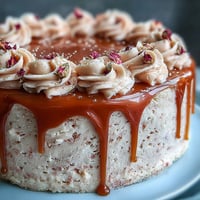
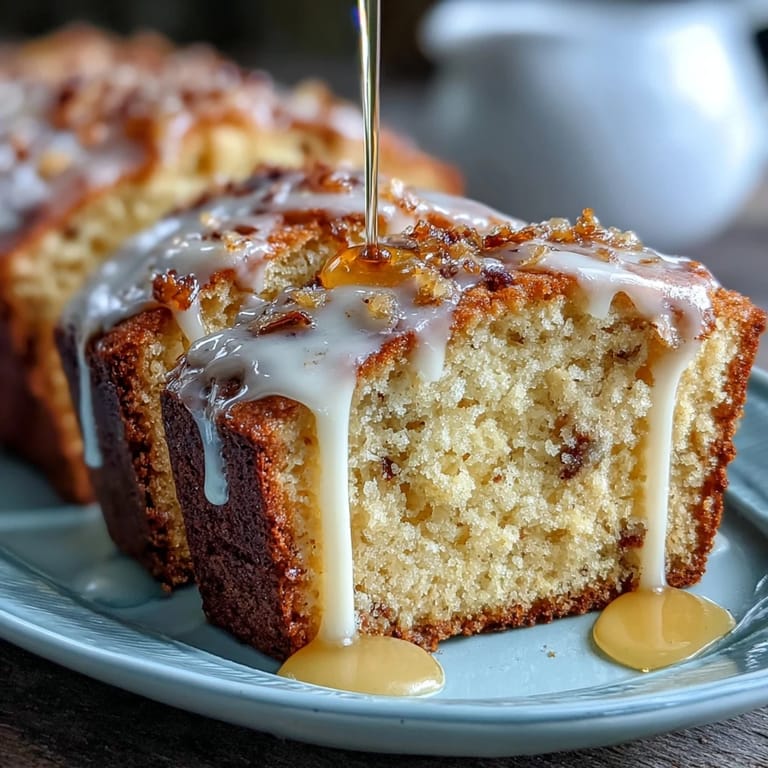
 Save
Save There's something about the smell of fresh lemon zest hitting hot butter that makes you stop and just breathe it in. My neighbor brought over a bottle of Limoncello one summer evening, and we ended up testing it in everything, but it was this pound cake that made us both pause mid-conversation. The cake itself is tender and keeps for days, getting even more flavorful as it sits, which means you can actually make it ahead without stress.
I made this for a book club gathering on a gray afternoon, and it became the thing everyone remembered instead of whatever we were supposed to be discussing. One of the members who claimed she never baked asked if she could have the recipe, and she actually made it the next week. That's when I knew the cake itself was doing something right.
Ingredients
- Unsalted butter (1 cup, softened): Room temperature is non-negotiable here; it creams into the sugar like clouds, creating the foundation for a tender crumb.
- Granulated sugar (2 cups): This works with the butter to create that light, fluffy texture that keeps the cake moist without being dense.
- Eggs (4 large, room temperature): Cold eggs won't incorporate smoothly, so take them out of the fridge about an hour before starting.
- Limoncello liqueur (1/4 cup): This is the soul of the cake—it brings a sophisticated citrus note that fresh juice alone can't deliver.
- Whole milk (1/4 cup, room temperature): The dairy keeps everything tender and adds richness to balance the bright acidity.
- Freshly grated lemon zest (2 tablespoons from about 2 lemons): Zest just before using to capture all those aromatic oils that make your kitchen smell incredible.
- Fresh lemon juice (1/4 cup): Squeeze it yourself; bottled juice tastes flat and metallic by comparison.
- All-purpose flour (2 1/2 cups): This weight matters more than volume, so if you have a scale, use it.
- Baking powder (1 1/2 teaspoons): Check that your baking powder isn't past its prime, or your cake won't rise properly.
- Salt (1/2 teaspoon): Even in sweet baking, salt deepens and balances flavors in a way people can't quite identify.
- Powdered sugar (1 cup, sifted): Sifting prevents lumps that won't dissolve smoothly into your glaze.
- Lemon juice for glaze (2–3 tablespoons fresh): Start with 2 tablespoons and add more until you reach a drizzle consistency that appeals to you.
- Limoncello for glaze (1 tablespoon): This keeps the glaze flavor bright and aligned with the cake itself.
Tired of Takeout? 🥡
Get 10 meals you can make faster than delivery arrives. Seriously.
One email. No spam. Unsubscribe anytime.
Instructions
- Get everything ready:
- Preheat your oven to 350°F and grease and flour a 9x5-inch loaf pan or bundt pan thoroughly—the flour layer prevents sticking better than just butter alone. Have all your ingredients at room temperature before you begin; this makes a real difference in how smoothly everything incorporates.
- Build the butter foundation:
- Cream the butter and sugar together in a large bowl using an electric mixer on medium speed for about 3 to 4 minutes until the mixture is pale, fluffy, and noticeably lighter than when you started. You'll notice it transform—that's the air being incorporated, which creates the cake's tender texture.
- Add the eggs gently:
- Beat in the eggs one at a time, mixing well after each addition so the batter stays smooth and emulsified. Rushing this step or adding all eggs at once can make the batter look curdled and grainy, so take your time here.
- Bring in the bright flavors:
- Stir in the lemon zest, Limoncello, lemon juice, and milk just until everything is combined and no white streaks remain. The mixture will look loose and fragrant at this point, which is exactly what you want.
- Combine dry ingredients separately:
- In a separate bowl, whisk together the flour, baking powder, and salt to distribute the leavening evenly. This prevents dense pockets and ensures an even rise throughout the cake.
- Fold wet and dry together:
- Add the dry ingredients to the wet ingredients and mix just until incorporated—stop as soon as you don't see streaks of flour. Overmixing develops gluten and toughens the crumb, which defeats the purpose of all that careful creaming earlier.
- Into the pan:
- Pour the batter into your prepared pan and smooth the top with a spatula so it bakes evenly. The batter will be thick but not stiff, dropping easily from the spatula.
- Bake with patience:
- Bake for 50 to 55 minutes, or until a toothpick inserted into the center comes out clean or with just a few moist crumbs clinging to it. Your kitchen will smell absolutely intoxicating at around the 40-minute mark—that's when you know you're close.
- Cool strategically:
- Let the cake rest in the pan for 15 minutes—this allows the structure to set so it won't fall apart when you turn it out. Then invert it onto a wire rack and let it cool completely before glazing; a warm cake will cause the glaze to slip right off.
- Make the glaze:
- Whisk the sifted powdered sugar with 2 tablespoons of fresh lemon juice and 1 tablespoon of Limoncello until smooth and pourable, adding more lemon juice by the teaspoon if needed. The glaze should be thick enough to coat a spoon but thin enough to drizzle.
- Glaze and garnish:
- Drizzle the cooled glaze over the cooled cake in whatever pattern feels right, then sprinkle with fresh lemon zest if you have it. Allow the glaze to set for about 20 minutes before slicing so it firms up and doesn't smear.
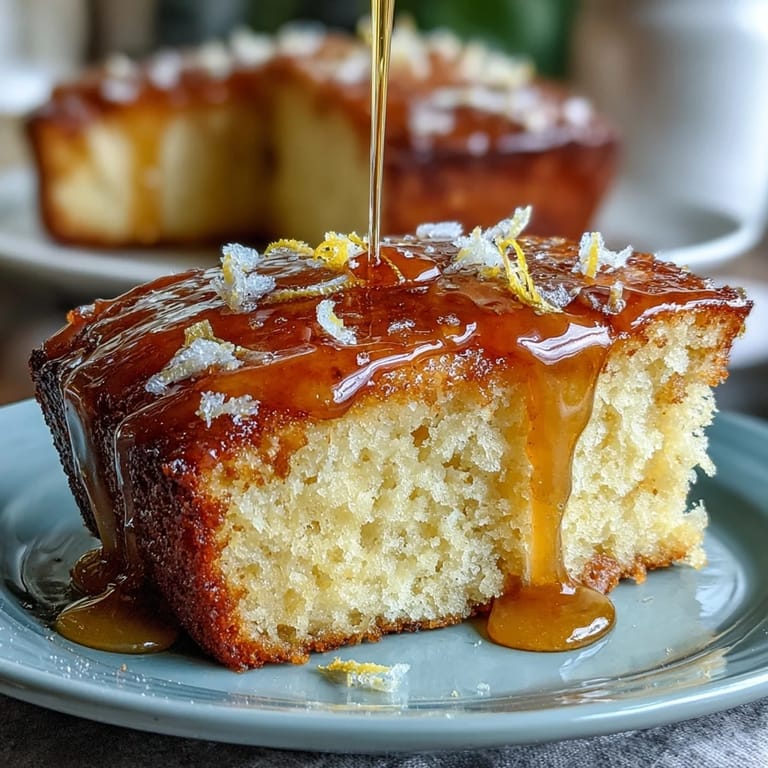 Save
Save This cake has a way of turning ordinary afternoons into something worth remembering. My daughter asked me to make it for her school bake sale, and watching someone buy a slice and come back 20 minutes later asking if we had more told me everything I needed to know about whether I should keep making it.
Why the Combination Works
Limoncello liqueur behaves differently than just adding more lemon juice—it brings alcohol, sugar, and that concentrated citrus oil together in a way that deepens and mellows the flavor while keeping the cake tender. The milk balances the acidity so the cake doesn't taste sharp or one-note, and the relatively low oven temperature ensures the outside doesn't brown before the center bakes through. I learned this the hard way by trying to bake it hotter and faster, which resulted in a cracked, dry cake that looked nothing like what I'd imagined.
Storage and Make-Ahead Magic
This cake actually improves after a day or two as the flavors meld and the crumb becomes even more tender. Wrapped well at room temperature, it lasts about four days, or you can freeze it unfrosted for up to a month—which means you can bake this on a quiet weekend and have an elegant dessert ready whenever you need one. I've brought slices to gatherings in a glass container, and people always ask if I made it that morning because it looks and tastes so fresh.
Variations and Substitutions
If you want a lighter, more delicate crumb, you can replace half of the all-purpose flour with cake flour, though you might need to reduce the liquid slightly since cake flour absorbs less water. For an alcohol-free version, simply add an extra 1/4 cup of lemon juice instead of the Limoncello, though the flavor will be brighter and sharper rather than that sophisticated, honeyed complexity the liqueur provides. You can also experiment with the glaze by adding a touch of vanilla extract or even a pinch of cardamom if you're feeling adventurous, but honestly, the simple lemon-Limoncello combination is hard to improve on.
- If your lemons are particularly large or small, zest them first and measure by sight rather than strict count.
- You can make the glaze thinner or thicker depending on whether you prefer it to coat the cake or pool slightly on the plate.
- Serve with fresh berries, whipped cream, or even a small scoop of vanilla ice cream for something special.
 Save
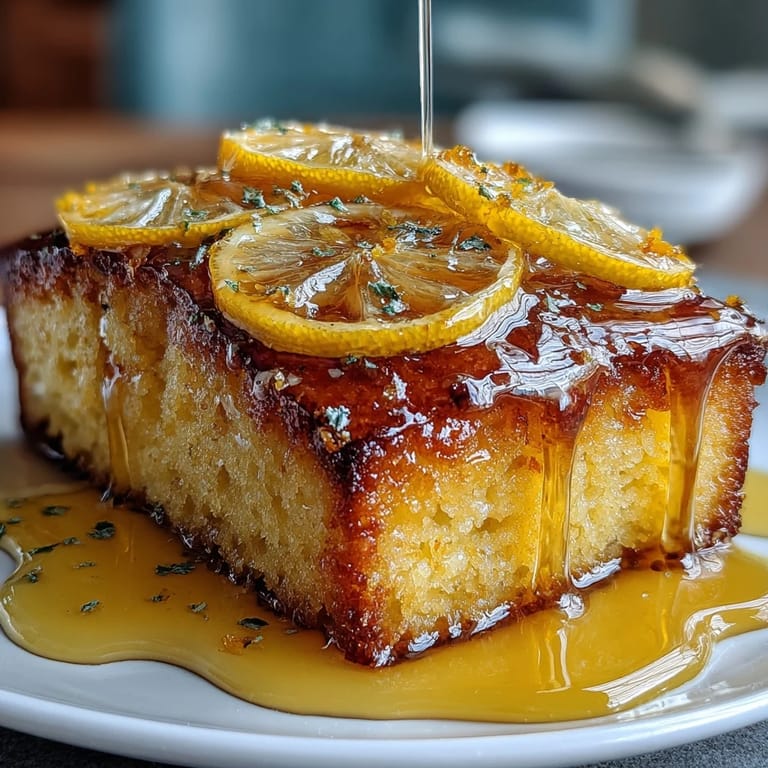
Save This cake is proof that sometimes the simplest combinations—butter, sugar, eggs, lemon, and a touch of something unexpected—create something that feels both comforting and sophisticated. Make it, share it, and watch people's faces light up when they taste it.
Kitchen Guide
- → What gives the cake its citrus flavor?
Freshly grated lemon zest and lemon juice add vibrant citrus notes throughout the cake, enhancing its bright flavor.
- → Can Limoncello be substituted?
Yes, you can replace Limoncello with additional lemon juice for a similar tangy taste without alcohol.
- → How do I achieve a moist texture?
Using softened butter, eggs at room temperature, and balanced liquid ingredients ensures a moist and tender crumb.
- → What pan sizes are recommended?
A 9x5-inch loaf pan or bundt pan works best to promote even baking and a uniform shape.
- → How is the lemon glaze prepared?
The glaze is made by whisking powdered sugar with fresh lemon juice and a splash of Limoncello until smooth and easily pourable.
- → Any tips for a lighter cake texture?
Substituting half the all-purpose flour with cake flour can create a lighter, more delicate crumb.