 Save
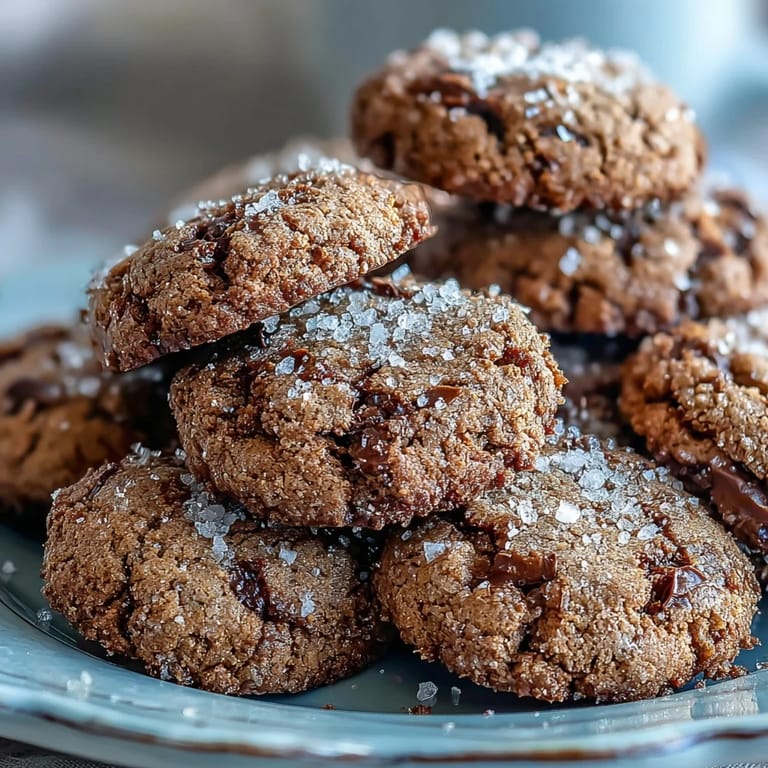
Save I discovered hojicha cookies almost by accident while standing in a Japanese tea shop, watching the owner arrange delicate cookies beside amber cups of roasted tea. The aroma hit me first—that distinctive smokiness mixed with something buttery and warm. I had to ask what made them taste like liquid gold, and she laughed, sliding a cookie across the counter. That first bite changed how I thought about tea in baking.
I made these for my neighbor one rainy afternoon, mostly because I had just bought hojicha powder and didn't know what else to do with it. She took one bite and immediately wanted the recipe, then came back three days later saying she'd already made them twice. That's when I knew these weren't just good—they were the kind of recipe people actually return to.
Ingredients
- All-purpose flour: Use 190 grams by weight if possible, as it's more reliable than cup measurements and keeps your cookies from becoming dense.
- Hojicha powder: This roasted green tea powder is the soul of these cookies—find it at Japanese markets or online, and don't skip it or substitute.
- Baking soda: Just a touch here, because these cookies should spread gently and bake to tender perfection, not puff up like cake.
- Fine sea salt: This isn't just for seasoning; it brings out the tea's deeper flavors and balances the sweetness.
- Unsalted butter, softened: Cold butter won't cream properly, so let it sit at room temperature for at least an hour beforehand.
- Granulated sugar: The standard choice here, though some bakers swear by a touch of brown sugar for deeper molasses notes.
- Large egg: Room temperature makes a difference when creaming; take it out of the fridge 15 minutes before starting.
- Pure vanilla extract: Don't use imitation here—the quality of vanilla matters when you're working with delicate tea flavors.
Tired of Takeout? 🥡
Get 10 meals you can make faster than delivery arrives. Seriously.
One email. No spam. Unsubscribe anytime.
Instructions
- Get your oven ready:
- Heat your oven to 350°F and line a baking sheet with parchment paper. This prevents any guesswork about sticking and makes cleanup effortless.
- Combine the dry team:
- Whisk together flour, hojicha powder, baking soda, and salt in a medium bowl until the hojicha color spreads evenly throughout. You want no streaks of concentrated powder.
- Cream butter and sugar:
- In a large bowl, beat softened butter with sugar for 2 to 3 minutes until it looks pale and fluffy, almost like mousse. This incorporates air that makes cookies tender rather than dense.
- Add egg and vanilla:
- Beat in the egg and vanilla extract until everything is well combined and the mixture looks slightly lighter. Don't be shy about mixing this part—you want no streaks of egg visible.
- Marry wet and dry:
- Gently fold the dry ingredients into the wet mixture, stirring just until no flour streaks remain. This is where patience matters—overmixing develops gluten and toughens your cookies.
- Scoop and space:
- Using a tablespoon, drop portions of dough onto your prepared sheet, leaving about 2 inches between each cookie. They'll spread slightly as they bake, and this spacing prevents them from merging together.
- Bake to golden perfection:
- Bake for 10 to 12 minutes until the edges turn a light golden brown but the centers still look slightly underbaked. Remember, they'll continue to firm up as they cool on the sheet.
- Cool strategically:
- Leave cookies on the baking sheet for 5 minutes before moving them to a wire rack. This gentle transition prevents breakage and lets them firm up just enough.
 Save
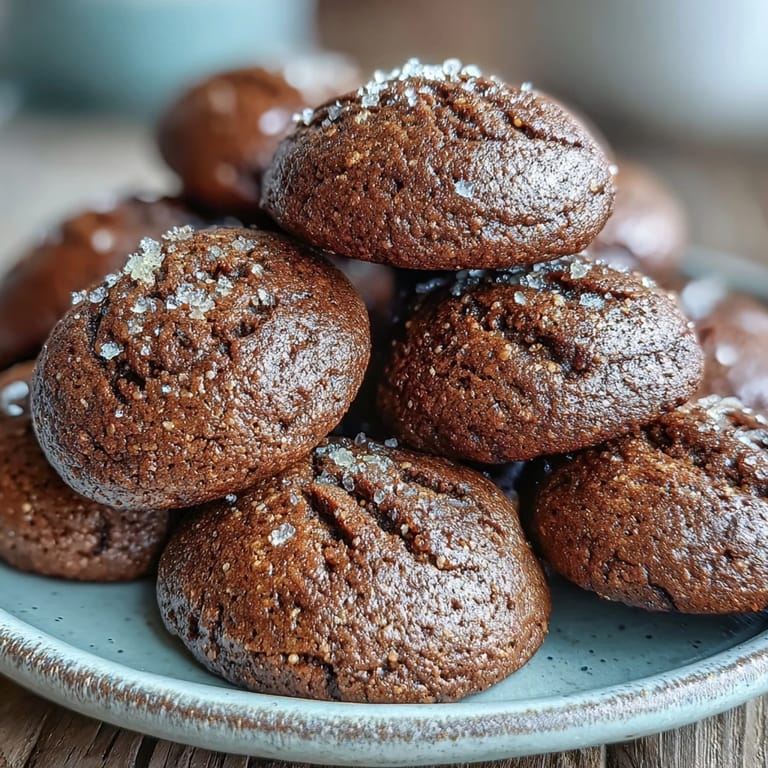
Save My moment of truth came when someone I admired bit into one of these cookies and closed their eyes like they were tasting something meaningful. I realized that the best recipes aren't about impressing people—they're about those small, honest moments when food connects us to something we didn't expect to feel.
The Hojicha Difference
Hojicha is green tea that's been roasted at high temperatures, which transforms its flavor completely. Instead of the grassy freshness of regular green tea, roasting brings out warm, toasty, almost coffee-like notes that make people pause and wonder what they're tasting. In cookies, this depth creates something that tastes refined without tasting complicated.
Storage and Keeping
These cookies stay fresh for about four days in an airtight container at room temperature, though they're rarely around that long. If you need to make them ahead, the unbaked dough keeps beautifully in the refrigerator for up to two days, and you can bake fresh cookies whenever you'd like. Some bakers even freeze scooped dough portions for up to a month, baking them straight from frozen with just an extra minute or two in the oven.
Ways to Make These Your Own
Once you've made them plain, you might want to experiment—this dough is forgiving that way. White chocolate chips folded in add a subtle sweetness that doesn't fight the hojicha, while chopped pistachios or toasted hazelnuts bring earthiness that echoes the tea's roasted notes. If you're after a stronger hojicha flavor, increase the powder up to 3 tablespoons, though this does make the dough slightly drier and may need an extra teaspoon of butter.
- White chocolate and hojicha together taste like autumn and conversation on a quiet afternoon.
- A light sprinkle of fleur de sel on top before baking adds an unexpected sophistication.
- Toast your hazelnuts yourself for 5 minutes before chopping—the extra effort creates layers of flavor you'll taste in every bite.
 Save
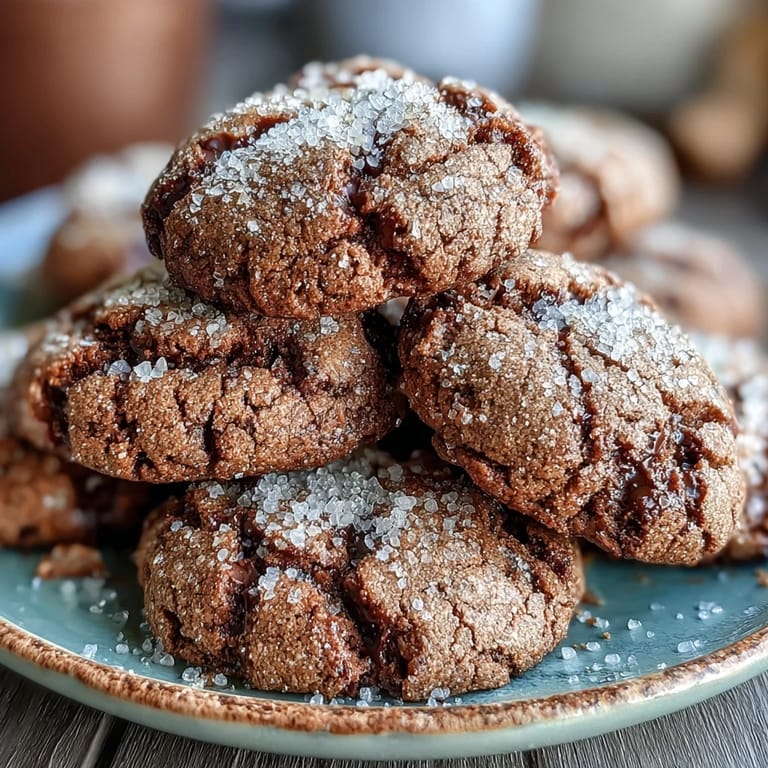
Save These cookies remind me that the best discoveries often come from curiosity and a willingness to try something you've never made before. They're worth making, worth sharing, and definitely worth savoring slowly with a cup of tea.
Kitchen Guide
- → What does hojicha taste like in cookies?
Hojicha adds nutty, smoky, and earthy notes with subtle roasted undertones. The flavor is mellower than matcha, creating a warm comforting taste that pairs beautifully with buttery dough.
- → Can I substitute matcha powder for hojicha?
Yes, though the flavor profile will change significantly. Matcha is more vibrant and grassy, while hojicha offers deeper roasted notes. Use the same amount but expect a brighter, more astringent taste.
- → How should I store these cookies?
Keep in an airtight container at room temperature for up to 4 days. The roasted tea flavor remains stable, and the texture stays tender. Avoid refrigeration as it can make the buttery dough hard.
- → Why is my cookie dough crumbly?
This usually means the butter was too cold or ingredients were overmixed. Ensure butter is softened to room temperature before creaming, and mix dry ingredients just until incorporated to maintain tenderness.
- → Can I freeze the dough?
Absolutely. Scoop portioned dough onto a baking sheet, freeze until solid, then transfer to a freezer bag. Bake from frozen, adding 1–2 minutes to the baking time. Frozen dough keeps for up to 3 months.