 Save
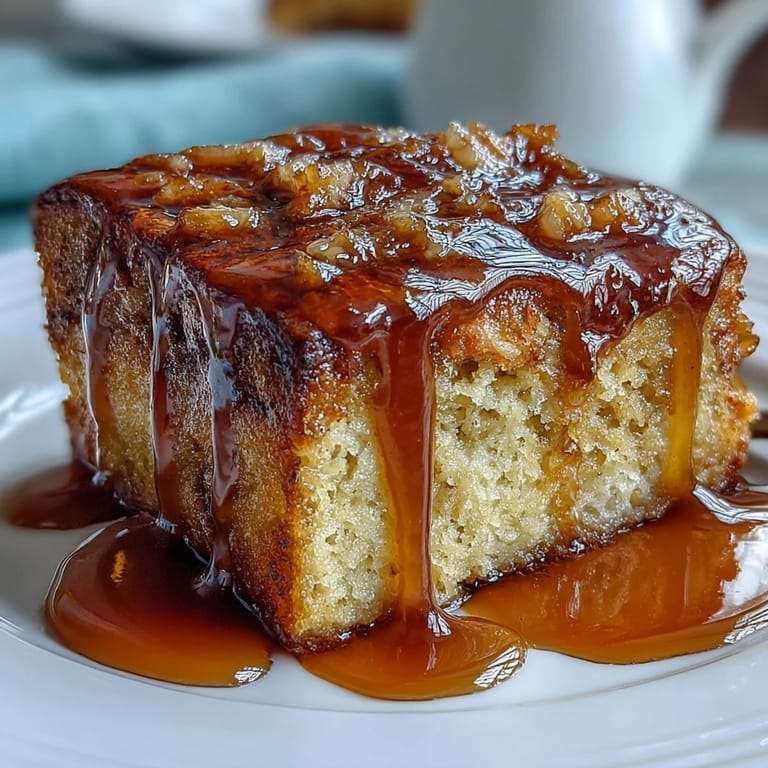
Save My neighbor handed me a jar of dandelion honey last spring, and I stood in my kitchen wondering what on earth to do with something so delicate and golden. The label said it tasted of wildflowers and late afternoons, which seemed impossibly romantic for a condiment. I decided to bake it into a cake, and the moment that lemony, floral warmth hit the oven, I understood why she'd given it to me—it was meant to become something that would make people pause mid-conversation at the table.
I made this cake for my best friend's garden party, where it sat on a tiered stand surrounded by fresh flowers and cups of chamomile tea. Within minutes, three people had asked for the recipe, and by the end of the afternoon, there were only crumbs left on the plate—the kind of outcome that makes you feel like you've done something quietly magical.
Ingredients
- All-purpose flour (2 cups): The foundation of everything; make sure it's fluffed in the bag before measuring or your cake will be dense and regretful.
- Baking powder and baking soda (1 1/2 tsp and 1/2 tsp): These two work together to give you that tender crumb and gentle rise that makes people think you went to culinary school.
- Fine sea salt (1/2 tsp): It won't taste salty, I promise; it just wakes up all the other flavors and makes the honey shine.
- Unsalted butter (1/2 cup): Room temperature is non-negotiable here—cold butter won't cream properly and you'll end up with a sad, dense cake.
- Dandelion honey (1/2 cup): This is the star, with its delicate floral notes; if you can't find it, regular honey works, but you'll miss that subtle wildflower magic.
- Granulated sugar (1/2 cup): It adds sweetness but also structure, helping create that beautiful tender crumb.
- Eggs (3 large): Room temperature eggs incorporate better and create a more stable batter—pull them from the fridge thirty minutes before baking.
- Vanilla extract (1 tsp): Pure vanilla only; the imitation stuff will compete with your delicate honey flavors.
- Whole milk (1/2 cup): Room temperature milk creates a smoother batter and bakes more evenly than cold milk straight from the fridge.
- Lemon zest and juice (2 tbsp each): This is your brightness, your counterpoint to the sweetness; zest it fresh right before you bake, as the oils fade quickly.
- Powdered sugar (1 cup): Sift it before using or you'll have lumpy glaze and regret, trust me on this one.
Tired of Takeout? 🥡
Get 10 meals you can make faster than delivery arrives. Seriously.
One email. No spam. Unsubscribe anytime.
Instructions
- Prepare your pan and preheat:
- Set your oven to 350°F and get your 9-inch pan ready with butter and flour or parchment paper—a cold oven means uneven baking, so don't skip this step. You want everything ready before you start mixing because once you do, the clock starts ticking.
- Mix your dry ingredients:
- Whisk the flour, baking powder, baking soda, and salt together in a medium bowl until they're evenly distributed. This prevents lumps and ensures every bite gets the right lift.
- Cream butter, honey, and sugar:
- Beat these three together for about 3 minutes until the mixture is pale and fluffy, which usually means you can draw a line through it that briefly holds. This aerates the batter and sets you up for a tender crumb.
- Add eggs one at a time:
- Drop in each egg and beat well after each addition; this takes patience but it's what creates that silky texture. Don't rush this step or the eggs won't emulsify properly.
- Stir in vanilla, lemon zest, and juice:
- Mix these in gently until you see no streaks of vanilla and the zest is evenly distributed throughout. You should smell lemon immediately.
- Alternate flour and milk:
- Start with a third of the flour mixture, then half the milk, then another third of flour, then the remaining milk, then the last of the flour—this prevents overmixing and keeps your cake tender. Stir just until combined after each addition; lumps are fine, overmixing is not.
- Bake:
- Pour the batter into your prepared pan and smooth the top gently with a spatula. Bake for 35 to 40 minutes, until a toothpick inserted in the center comes out clean or with just a few moist crumbs clinging to it.
- Cool properly:
- Let it rest in the pan for 10 minutes—this helps it set without cracking—then turn it out onto a wire rack to cool completely before glazing. Patience here prevents a glaze that melts into puddles.
- Make and apply the glaze:
- Whisk powdered sugar, lemon juice, and dandelion honey together until smooth, adding the juice gradually until you reach a drizzle consistency. Once the cake is completely cool, drizzle it generously and let it set for 10 to 15 minutes so it hardens just slightly.
 Save
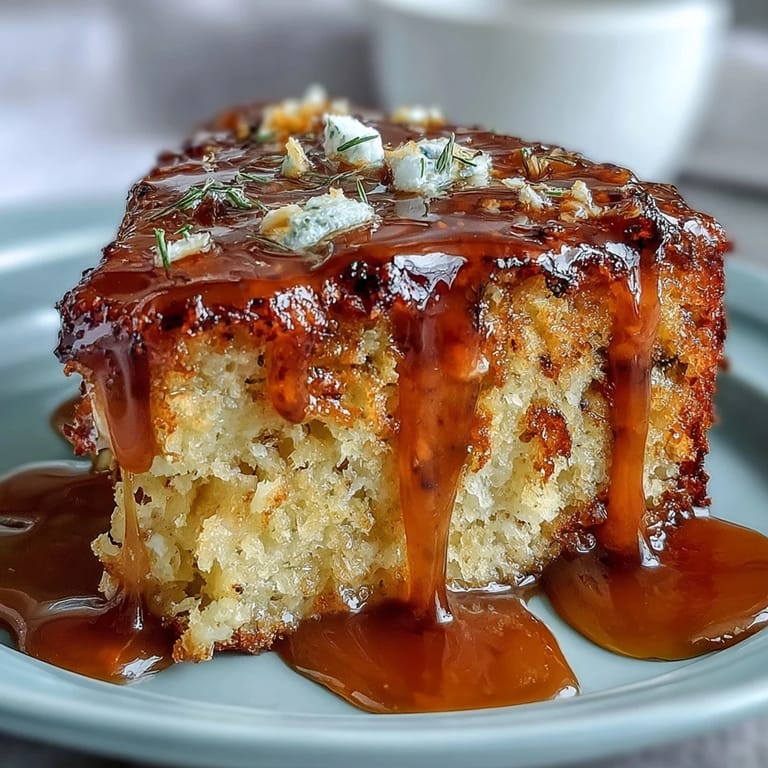
Save The first time I sliced into this cake and saw that perfect golden crumb, I felt something shift—suddenly I understood why my grandmother used to bake cakes for every single gathering. It wasn't about impressing people; it was about showing them they mattered enough for you to spend an hour in the kitchen creating something just for them.
The Magic of Dandelion Honey
Dandelion honey is not something you find everywhere, but if you live near farmers' markets or have kind neighbors with beehives, it's worth seeking out. It has this subtle floral quality that sits between wildflower and clover honey, neither of which would work quite as beautifully here. The honey doesn't just sweeten this cake—it adds moisture and a complexity that keeps people guessing what makes it taste like springtime.
Why Lemon and Honey Are Perfect Together
Lemon cuts through honey's sweetness like a well-timed joke cuts through tension, and together they create something balanced and sophisticated that tastes lighter than it actually is. I've made this cake with lime instead and with blood orange, and while both are lovely, the lemon is what makes people close their eyes between bites. It's the difference between a good cake and one that people remember weeks later.
Storing and Serving Your Cake
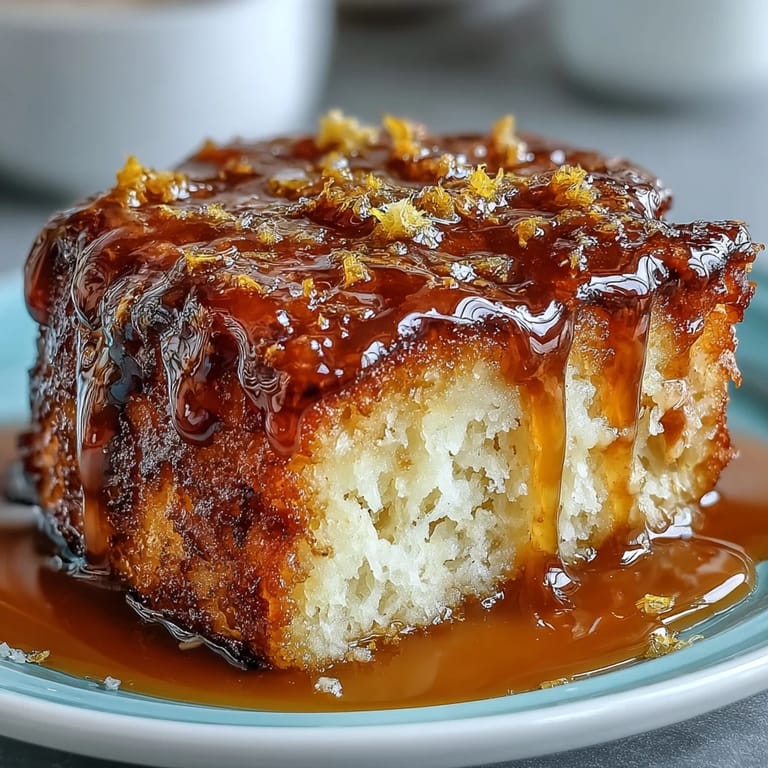
This cake stays moist for three days in an airtight container at room temperature, which means you can bake it on a Wednesday for a Friday gathering without stress. The glaze hardens slightly overnight, creating a delicate crust that shatters beautifully when you cut into it, and the crumb actually improves as the flavors settle and meld. Serve it with chamomile tea, Earl Grey, or even a light floral wine if you're feeling fancy.
- If you find fresh unsprayed dandelion petals in spring, chop two tablespoons finely and fold them into the batter for an extra floral note.
- Make the glaze thinner if you want it to pool around the cake, or thicker if you prefer it to sit in a glossy coat on top.
- This cake freezes beautifully for up to a month without the glaze; thaw at room temperature and glaze just before serving.
 Save
Save This cake is proof that the smallest gestures—a jar of honey from a neighbor, a recipe shared with a friend—can become the moments people remember. Bake it, share it, and watch something ordinary become a memory.
Kitchen Guide
- → What gives the cake its unique flavor?
Floral dandelion honey paired with fresh lemon zest and juice creates a distinctive sweet and tangy profile.
- → How should the lemon glaze be prepared?
Whisk powdered sugar with lemon juice and dandelion honey until smooth, adjusting consistency as needed before drizzling over the cooled cake.
- → Can I enhance the dandelion flavor further?
Adding finely chopped unsprayed dandelion petals to the batter intensifies the floral notes.
- → What tools are essential for this cake?
A 9-inch round pan, mixing bowls, an electric mixer or whisk, measuring spoons, a microplane zester, and a wire rack are recommended.
- → How long does the cake stay fresh?
Stored in an airtight container at room temperature, it remains fresh for up to three days.