 Save
Save My neighbor handed me a half-empty bottle of Marsala one Sunday afternoon, insisting I couldn't let it go to waste. I had chicken thawing and mushrooms already browning when I poured that first splash into the pan. The smell that rose up—earthy, sweet, almost caramel-like—made me understand why Italian grandmothers guard their cooking wine. That dinner turned into something I never expected: a dish I'd make every time I wanted my kitchen to feel like a celebration.
The first time I served this to friends, I plated it nervously, worried the sauce was too thin or the chicken overcooked. But when my friend Marco—who grew up in Milan—asked if I'd learned this from his nonna, I knew I'd done something right. We ate on the porch as the sun set, twirling fettuccine and laughing about how food never tastes as good as when you're sharing it. That night, this recipe stopped being just dinner and became my go-to for making people feel welcome.
Ingredients
- Boneless, skinless chicken breasts (4, about 1.5 lbs): Pounding them to an even thickness is the secret to perfectly cooked, tender chicken that doesn't dry out on one end while the other stays raw.
- All-purpose flour (1/2 cup): This light dredge creates a golden crust that helps the sauce cling and adds body to the finished dish without feeling heavy.
- Kosher salt (1 tsp) and ground black pepper (1/2 tsp): Seasoning the flour means every bite of chicken is flavored from the outside in, not just on top.
- Olive oil (2 tbsp) and unsalted butter (2 tbsp): The combination gives you high heat tolerance from the oil and rich, nutty flavor from the butter as it browns.
- Cremini or white mushrooms (8 oz, sliced): Cremini have more depth, but either works beautifully once they caramelize and soak up all that Marsala.
- Garlic cloves (2, minced): Add these after the mushrooms brown or they'll burn and turn bitter in the hot pan.
- Dry Marsala wine (3/4 cup): Use the dry, not sweet, version found near cooking wines or in the liquor section, it's what gives this dish its signature sophisticated sweetness.
- Low-sodium chicken broth (3/4 cup): Low-sodium lets you control the salt level, especially important as the sauce reduces and concentrates.
- Heavy cream (1/2 cup): This is what transforms the sauce from thin and winey to luxuriously silky and coat-the-spoon perfect.
- Dried thyme (1/2 tsp) or fresh thyme leaves (1 tsp): A whisper of thyme adds an herbal note that keeps the richness from feeling too heavy.
- Fettuccine or spaghetti (12 oz): Fettuccine's wide ribbons are traditional, but spaghetti works just as well and twirls beautifully with the sauce.
- Fresh parsley (2 tbsp, chopped): A bright green garnish that adds a pop of color and a hint of freshness to cut through the cream.
- Freshly grated Parmesan cheese (optional): Not traditional, but a little sprinkle adds a salty, nutty finish that makes every bite even better.
Tired of Takeout? 🥡
Get 10 meals you can make faster than delivery arrives. Seriously.
One email. No spam. Unsubscribe anytime.
Instructions
- Get the pasta going:
- Bring a large pot of salted water to a rolling boil and cook your pasta until al dente, then drain and set aside. You want it ready so the chicken doesn't sit and get rubbery while you wait.
- Pound the chicken:
- Place each breast between two sheets of plastic wrap and use a meat mallet or rolling pin to gently pound them to an even half-inch thickness. This ensures they cook evenly and stay juicy instead of drying out on the edges.
- Dredge in seasoned flour:
- Combine flour, salt, and pepper in a shallow dish, then dredge each chicken breast, shaking off any excess. A light coating is all you need for that perfect golden crust.
- Sear the chicken:
- Heat olive oil and 2 tablespoons of butter in a large skillet over medium-high heat until shimmering, then add the chicken and cook 4 to 5 minutes per side until golden and cooked through. Transfer to a plate and tent loosely with foil to keep warm.
- Cook the mushrooms:
- Add 2 more tablespoons of butter to the same skillet and toss in the sliced mushrooms, sautéing for 4 to 5 minutes until they're deeply browned and have released their moisture. Stir in the garlic and cook just 30 seconds until fragrant.
- Deglaze with Marsala:
- Pour in the Marsala wine and scrape up all those beautiful browned bits stuck to the pan, then let it simmer for about 2 minutes to reduce slightly. This is where the magic starts to happen.
- Build the sauce:
- Add the chicken broth, heavy cream, and thyme, then simmer for 3 to 4 minutes until the sauce thickens enough to coat the back of a spoon. Taste and adjust with salt and pepper as needed.
- Finish the chicken:
- Return the chicken and any accumulated juices to the pan, spooning sauce over the top and simmering for 2 to 3 minutes to heat everything through. The chicken will soak up those flavors and the sauce will cling beautifully.
- Plate and garnish:
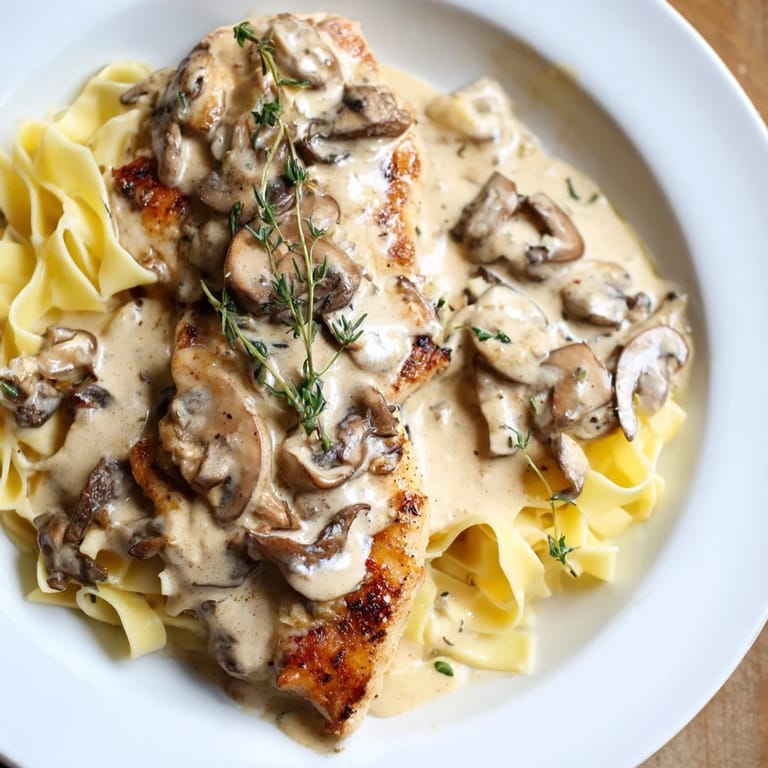
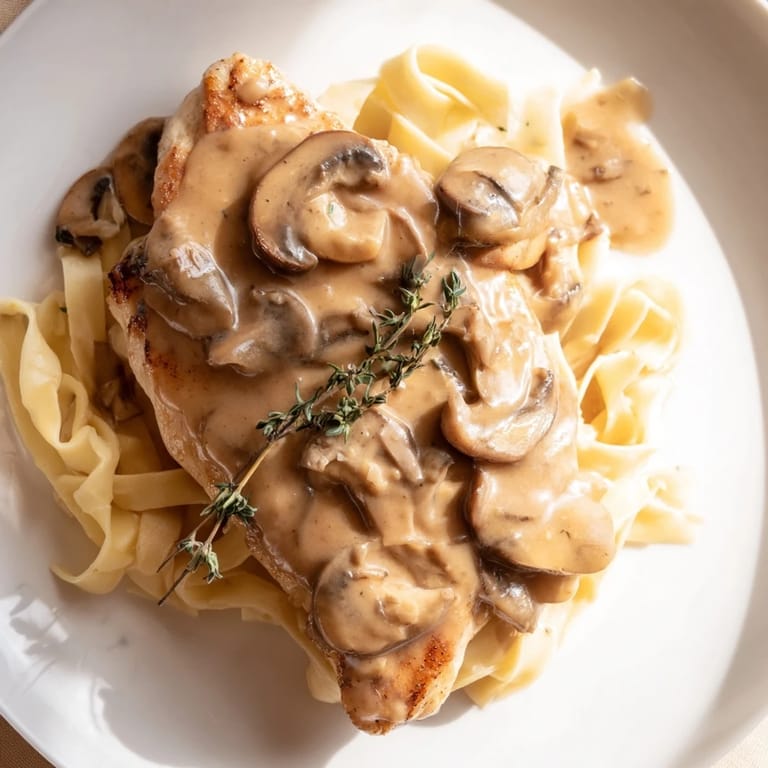
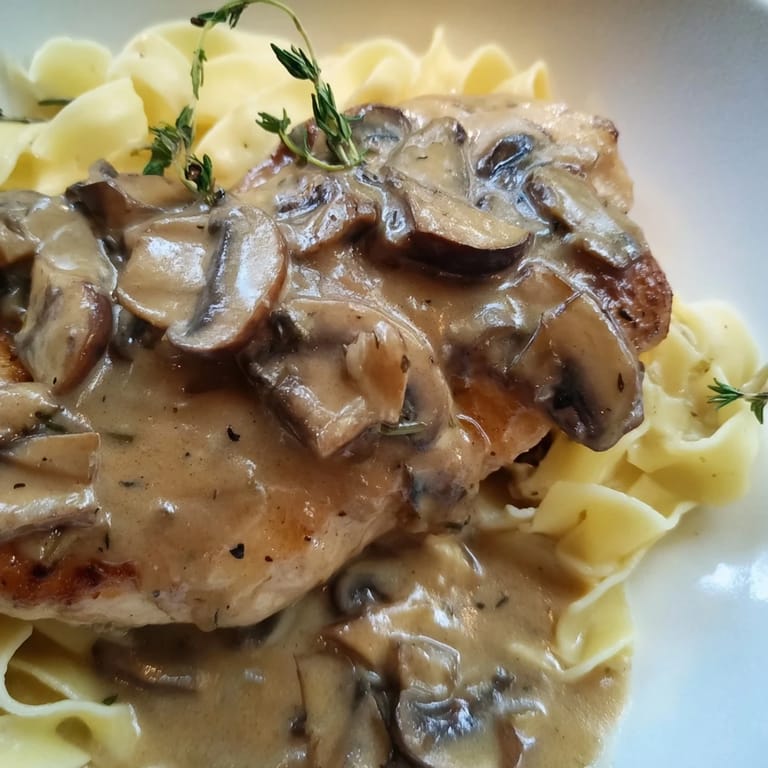
- Serve the chicken and sauce over a generous portion of pasta, then scatter fresh parsley and a sprinkle of Parmesan on top if you like. The colors alone will make you smile before you even take a bite.
 Save
Save One rainy Tuesday, I made this for myself after a long day and realized halfway through that I'd forgotten to invite anyone over. I stood at the stove, twirling pasta right out of the pan, and thought about how some recipes don't need an occasion. Sometimes the occasion is just you, a good bottle of wine, and a skillet full of something that smells like comfort. That's when Chicken Marsala became more than a dinner party trick, it became permission to cook something special even when no one was watching.
Choosing Your Marsala
The wine aisle can be intimidating, but Marsala is usually near the cooking wines or sometimes tucked in with the Italian imports. Dry Marsala has a deep amber color and a slightly nutty, caramelized flavor that mellows as it cooks. Sweet Marsala, often used in desserts like zabaglione, will make your sauce cloying and unbalanced. If you can't find Marsala, a dry sherry or even a good dry white wine with a splash of balsamic vinegar will get you close. I keep a bottle in the pantry just for nights when I need dinner to feel a little more special than usual.
Making It Your Own
Once you've made this a few times, you'll start to see where you can riff. Swap in boneless thighs if you want richer, more forgiving meat that stays juicy even if you overcook it slightly. Add a handful of fresh spinach or sun-dried tomatoes to the sauce for color and a little tang. I've stirred in a teaspoon of Dijon mustard when I wanted extra depth, and I've finished it with a squeeze of lemon when the cream felt too heavy. The beauty of a recipe like this is that once you understand the base, you can bend it to match your mood or whatever's lingering in your fridge.
Storing and Reheating
Leftovers keep beautifully in an airtight container in the fridge for up to three days, and honestly, they might taste even better the next day once the flavors have had time to marry. Reheat gently in a skillet over low heat with a splash of broth or cream to loosen the sauce, microwaving can make the chicken rubbery and split the cream. If you're meal prepping, store the chicken and sauce separately from the pasta so nothing gets soggy. I've even frozen the sauce alone for up to two months, then thawed it and tossed it with freshly cooked chicken and pasta for a shortcut dinner that still feels homemade.
- Reheat on the stovetop with a little extra liquid to bring the sauce back to life.
- Store pasta separately so it doesn't soak up all the sauce and turn mushy.
- Freeze the sauce in portions if you want to get ahead, it thaws beautifully and tastes just as good.
 Save
Save This is the kind of recipe that makes you feel like a better cook than you actually are, and I mean that in the best way. It's forgiving, flexible, and always impressive, whether you're feeding your family on a Wednesday or trying to impress someone new on a Saturday night.
Kitchen Guide
- → Can I use chicken thighs instead of breasts?
Absolutely. Boneless chicken thighs will provide a richer, more flavorful result. They're slightly more forgiving during cooking and won't dry out as easily as breasts. Thighs may require an extra 2-3 minutes per side to cook through.
- → What if I don't have Marsala wine?
You can substitute with dry sherry, dry white wine, or even brandy. Each will impart slightly different flavors, but the sauce will still be delicious. If using white wine, add a splash of balsamic vinegar to deepen the taste.
- → How do I prevent the chicken from drying out?
Pound the chicken to even thickness so it cooks uniformly, and don't overcook it—it's done when the internal temperature reaches 165°F. Remove it from heat promptly and tent with foil. Returning it to the pan briefly at the end adds moisture from the sauce.
- → Can I make this dish gluten-free?
Yes. Replace the all-purpose flour with a gluten-free flour blend for dredging, and use gluten-free pasta. All other ingredients are naturally gluten-free. The sauce and technique remain exactly the same.
- → How should I store and reheat leftovers?
Store covered in an airtight container for up to 3 days. Reheat gently on the stovetop over medium heat, adding a splash of chicken broth or water to loosen the sauce. Microwave reheating can toughen the chicken, so stovetop is preferred.
- → What pasta pairs best with this sauce?
Fettuccine and spaghetti are traditional choices that catch and hold the creamy sauce beautifully. Pappardelle also works wonderfully. Avoid thin pastas like angel hair, which may get lost under the rich sauce.