 Save
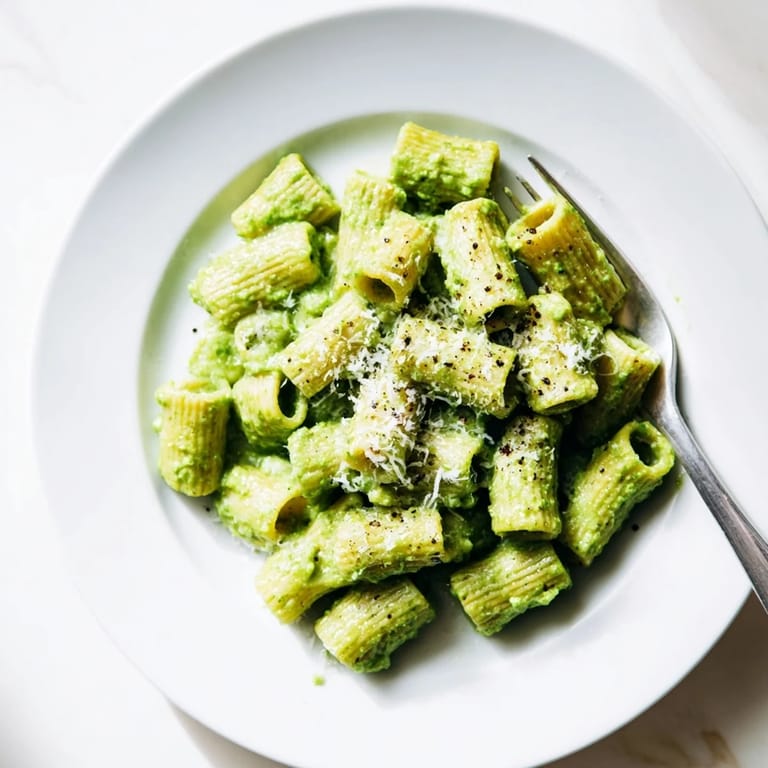
Save My neighbor brought over a bowl of this one evening when I mentioned I was too tired to cook. The color alone woke me up, this impossibly green, creamy sauce clinging to every twist of pasta. She called it her lazy night savior, and after one bite I understood why. It tasted like summer in a bowl, bright and rich at the same time, and I made her text me the recipe before she even left my porch.
I started making this on weeknights when my partner worked late and I wanted something that felt special without the fuss. The blender would whir, filling the kitchen with the smell of basil and garlic, and by the time he walked in the door, dinner was ready. He always said it tasted like I cared, even on the nights I barely had energy to stand.
Ingredients
- Macaroni or short pasta: I use whatever shape catches my eye at the store, but ridged pasta holds the sauce better than smooth.
- Ripe avocados: They should yield slightly when you press them, not mushy but not hard as a rock either.
- Fresh basil leaves: The fresher the better, look for leaves that are bright green without any brown spots.
- Garlic: Two cloves give a gentle bite, add three if you want it more assertive.
- Extra virgin olive oil: This adds richness and helps the sauce blend silky smooth.
- Parmesan cheese: Freshly grated melts into the sauce seamlessly, the pre shredded stuff clumps.
- Lemon juice: It keeps the avocado from browning and brightens everything up.
- Milk: Any kind works, I have used oat milk and whole milk with equal success.
- Salt and black pepper: Season generously, the pasta needs it and the avocado can taste flat without enough salt.
Tired of Takeout? 🥡
Get 10 meals you can make faster than delivery arrives. Seriously.
One email. No spam. Unsubscribe anytime.
Instructions
- Boil the pasta:
- Bring a large pot of salted water to a rolling boil and cook the macaroni until al dente, with just a little bite left in the center. Before draining, scoop out half a cup of that starchy pasta water, it will save your sauce if it gets too thick.
- Blend the pesto:
- Toss the avocados, basil, garlic, olive oil, Parmesan, lemon juice, milk, salt, and pepper into a food processor and blitz until completely smooth. If it looks too thick, add a splash more milk and blend again.
- Toss everything together:
- Pour the drained pasta back into the pot and add the avocado pesto, stirring gently so every piece gets coated. Drizzle in the reserved pasta water a little at a time until the sauce clings perfectly without being gloppy.
- Taste and serve:
- Adjust the salt and pepper if needed, then plate it up right away. Top with extra Parmesan, a few torn basil leaves, and a crack of black pepper if you are feeling fancy.
 Save
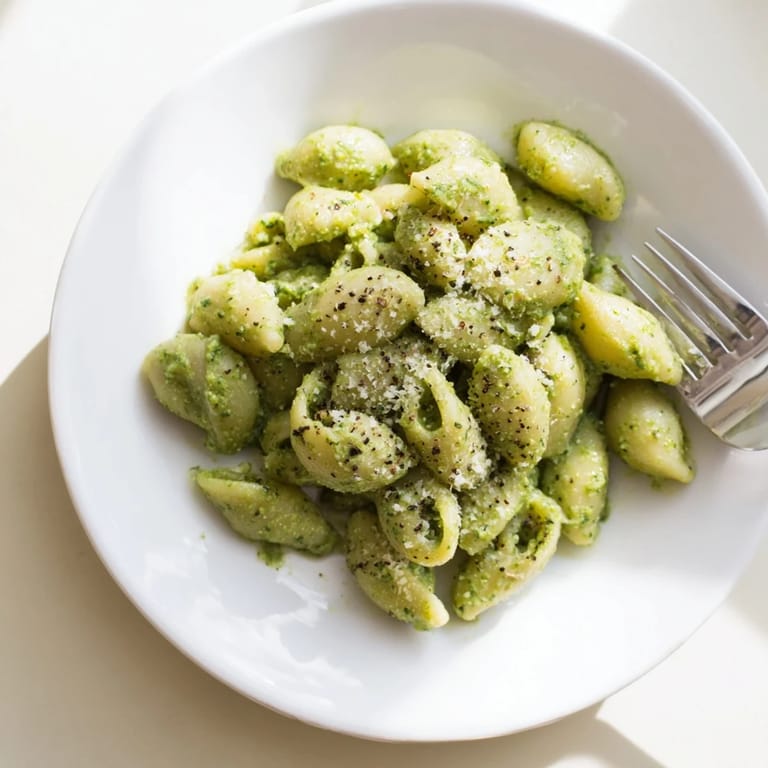
Save The first time I served this to my book club, everyone went quiet for a minute, then someone asked if I had gone to culinary school. I laughed and told them it was just a blender and some ripe avocados. That night it became the recipe they all texted me for, and I loved knowing something so simple could feel that impressive.
Making It Your Own
I have tossed in halved cherry tomatoes for a pop of sweetness, or stirred through a handful of baby spinach at the end so it wilts into the warm pasta. Toasted pine nuts add crunch, and a pinch of red pepper flakes gives it a gentle kick. This recipe is forgiving, so if you have odds and ends in the fridge, throw them in and see what happens.
Storage and Reheating
Leftovers keep in the fridge for a day, maybe two, but the sauce will lose its brightness and turn a duller green. I actually prefer eating it cold the next day, straight from the container with a fork while leaning against the counter. If you must reheat, do it gently on the stove with a splash of milk, high heat will make the avocado taste bitter.
Tools and Swaps
All you really need is a pot, a colander, and a blender or food processor. If you do not have a food processor, a regular blender works fine, just stop and scrape down the sides a few times. For a vegan version, swap the Parmesan for nutritional yeast and use any plant milk you like.
- Use gluten free pasta if needed, it works just as well.
- Try cashew cream instead of milk for an even richer sauce.
- If basil is too expensive, swap half of it for spinach and nobody will know.
 Save
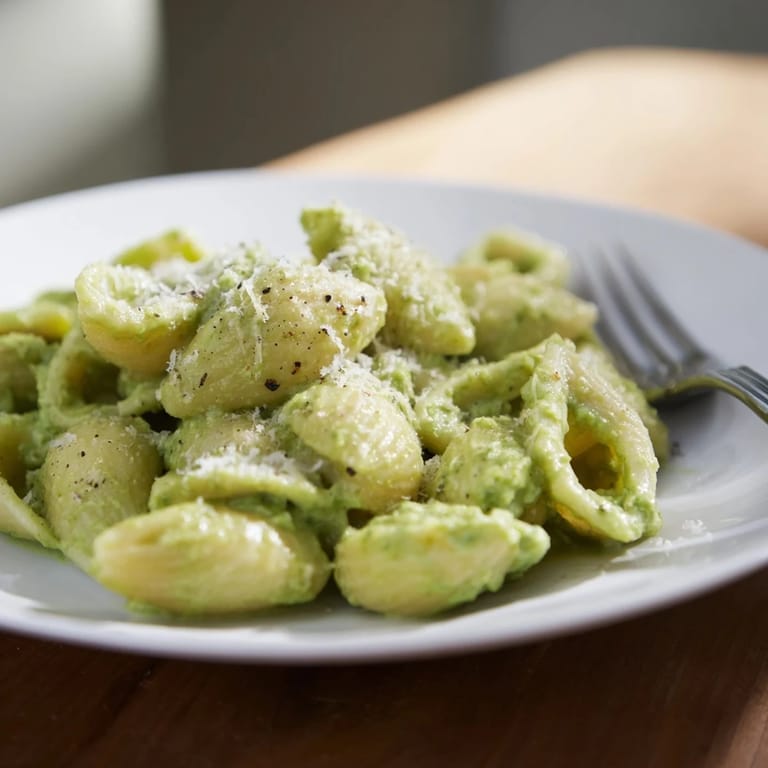
Save This dish taught me that comfort food does not have to be heavy or take all evening. Sometimes the best meals are the ones that surprise you with how easy they are.
Kitchen Guide
- → Can I make this ahead of time?
This dish is best served immediately after preparation. Avocado sauce tends to darken and oxidize over time. However, you can cook the pasta in advance and prepare the pesto sauce separately, then combine them just before serving.
- → What can I substitute for avocado?
If avocados aren't available, try using Greek yogurt or ricotta mixed with fresh basil for a similar creamy texture. Note that this will change the flavor profile slightly but still delivers a delicious pesto-based sauce.
- → How do I prevent the sauce from becoming too thick?
Reserve pasta water while draining and add it gradually to the sauce. The starchy water helps loosen the pesto to a silky consistency. Start with a small splash and adjust until you reach your desired texture.
- → Is this suitable for vegans?
Yes! Simply substitute Parmesan with nutritional yeast and use unsweetened plant-based milk instead of dairy milk. The result is equally creamy and flavorful while remaining completely vegan-friendly.
- → What are good add-ins for extra flavor?
Cherry tomatoes, roasted pine nuts, sautéed spinach, sun-dried tomatoes, or crispy breadcrumbs all complement the avocado pesto beautifully. Add them either mixed into the pasta or as a topping for texture contrast.
- → Can I use frozen avocados?
Fresh avocados work best for optimal texture and color. Frozen avocados may result in a slightly grainier sauce, but they can work in a pinch. Thaw them completely before blending for the smoothest consistency.