 Save
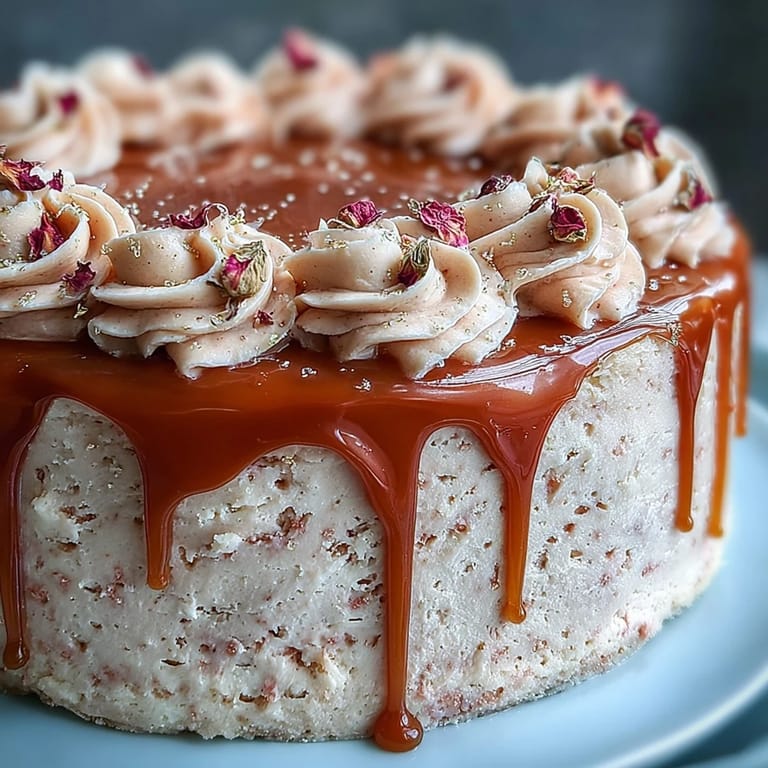
Save The moment I slid this blush-toned cake onto the sun-drenched table for my friend's bridal shower, the whole room fizzed with excitement—partly due to the scent of rosé drifting from the layers, partly because everyone wanted to know about the gold shimmer. The crisp brightness of the wine lingers in the tender cake, giving something familiar a gentle celebration twist. As the golden drips found their way down creamy buttercream, I realized even the most elegant confections can come with a little playful drama. It’s the kind of bake that quietly takes over the room, not just as a dessert, but as a centerpiece for hugs, photos, and maybe a secret second slice. I never thought a cake could feel like a party trick, but this one surely does.
Once, caught up in laughter and music, I nearly forgot the cakes cooling in the oven until a friend—drawn in by buttery vanilla aromas—called me back. That afternoon turned into a lesson in multi-tasking, filling the kitchen with chatting and the gentle buzz of a stand mixer between conversations about dresses and honeymoons. Every time we’ve gathered since, someone mentions that pink velvet cake and the specks of gold we tried (with somewhat shaky hands) to paint on top. Little reminders like powdered sugar clouds on dark countertops always bring back the memory. And if a cake can stitch a memory so tightly into an afternoon, it’s more than just dessert.
Ingredients
- All-purpose flour: Gives the cake structure; I found sifting for a lighter crumb is worth the extra step.
- Granulated sugar: Sweetens the cake and helps it stay moist—don’t skimp, as rosé isn’t sweet enough on its own.
- Baking soda: The key leavening agent for a soft rise, especially important with acidic buttermilk and vinegar.
- Fine salt: Balances the sweetness; a pinch really does make flavors shine.
- Cocoa powder (unsweetened): Just enough to deepen the pink—don’t worry, it won’t taste like chocolate cake.
- Vegetable oil: Delivers a tender, plush crumb; it’s forgiving even if you overmix ever so slightly.
- Large eggs (room temperature): Emulsify the batter for smoother mixing and even baking.
- Buttermilk (room temperature): Adds tang and tenderness; if you’re out, a splash of lemon juice in milk works in a pinch.
- Rosé wine: Choose a dry or sparkling style for soft floral notes—taste first, and bake with what you’d drink.
- Vanilla extract: Infuses warmth and rounds out the flavor; real vanilla makes a big difference.
- White vinegar: Reacts with baking soda for airy texture; don’t worry, you won’t taste it.
- Pink or rose gel food coloring: Go easy at first—a little creates a lovely blush that deepens as it bakes.
- Unsalted butter (room temperature): The base for rich, fluffy buttercream; let it soften on the counter for easy whipping.
- Powdered sugar (sifted): Essential for a cloud-like frosting—sifting really means no lumps.
- Heavy cream: Combines with white chocolate for a drip that’s glossy and smooth every time.
- White chocolate chips: Melts beautifully for the drip; use quality for the silkiest finish.
- Edible gold luster dust: The magic touch—make sure it’s truly edible, not just decorative.
- Vodka or clear lemon extract: Thins the gold dust into a paint—vodka evaporates fast, leaving only shine.
- Edible decorations (rose petals, berries): Extra drama for the final show—optional, but always a conversation starter.
Tired of Takeout? 🥡
Get 10 meals you can make faster than delivery arrives. Seriously.
One email. No spam. Unsubscribe anytime.
Instructions
- Prepare the Cake Pans:
- Preheat the oven to 350°F (175°C), grease three 8-inch pans, and line them with parchment so nothing sticks when you flip them.
- Mix Dry Ingredients:
- In a large bowl, sift flour, sugar, baking soda, salt, and cocoa until no streaks remain and it feels light between your fingers.
- Combine Wet Ingredients:
- Whisk together oil, eggs, buttermilk, rosé, vanilla, and vinegar in another bowl until glossy and unified—try not to splash as you whisk.
- Bring the Batter Together:
- Pour wet ingredients into the dry and mix gently until just combined; swirl in food coloring until you love the shade.
- Bake the Layers:
- Divide batter evenly into pans and bake for 30-35 minutes, checking with a toothpick so you catch the perfect moment before overbaking.
- Cool the Cakes:
- Let cakes cool in their pans for ten minutes, then carefully invert onto a wire rack to finish cooling—resist the urge to frost while warm.
- Make the Rosé Buttercream:
- Beat butter until pale and fluffy, slowly adding powdered sugar; drizzle in the rosé, vanilla, and salt, then whip until pillowy and smooth.
- Assemble and Frost:
- Level cake layers if needed, stack them with buttercream between and all around, chill for twenty minutes, then apply your final creamy coat.
- Prepare the Gold Drip:
- Melt white chocolate chips with heavy cream, let cool until just pourable, then drip along the chilled cake’s edge for dramatic effect.
- Paint Gold:
- Mix gold luster dust with vodka or lemon extract and use a clean brush to paint the set chocolate drips—watch them shimmer as they catch the light.
- Decorate and Serve:
- Add edible petals or berries if you like, then step back and admire (before someone swipes a taste).
 Save
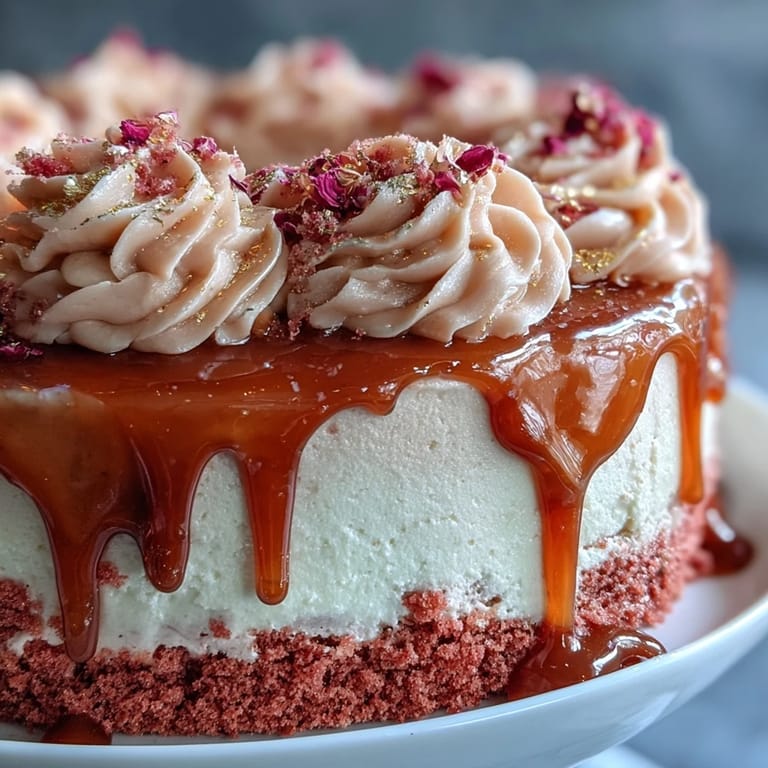
Save The cake’s gleam might be the first thing people notice, but when my hands were sticky with buttercream and laughter was bouncing around the kitchen, something shifted. It was more than just a dessert; it felt like a tiny celebration in every detail, a golden memory folded between layers of pink velvet.
Decorating with Confidence
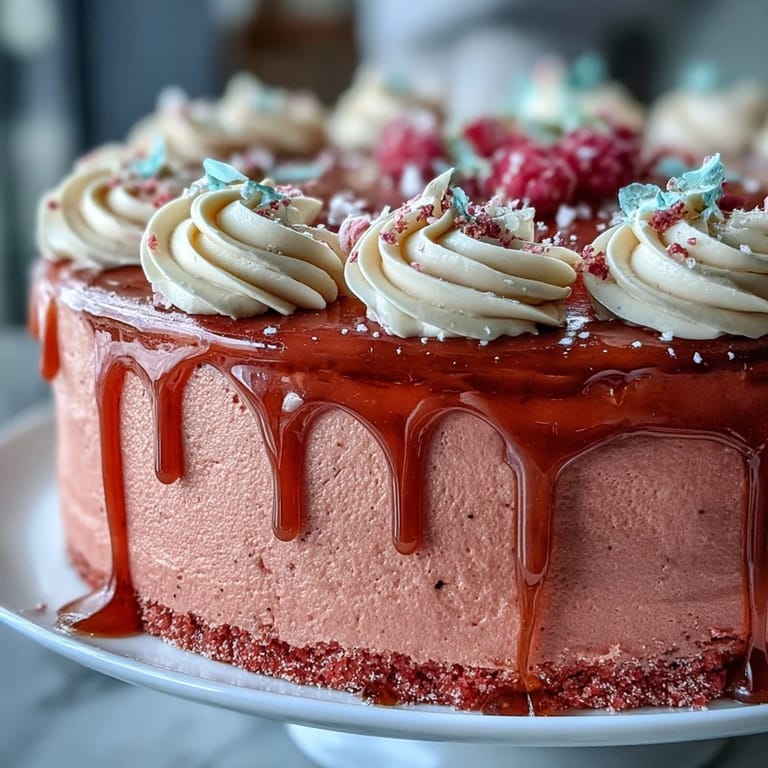
Painting on gold can seem intimidating, but I found it oddly meditative—like gilded doodles on a blank wall, it doesn’t have to be perfect to be gorgeous. The more relaxed you are, the more natural the drips and brushstrokes appear. Invite someone to join for this stage; shared creativity brings surprise ideas, like scattering edible petals or gold leaf. Just remember to work gently—the heat from your hands can soften the buttercream if you linger too long. Keep a steady eye on the cake’s temperature and take breaks if your kitchen gets warm.
Adapting for the Season
For spring showers, pairing the cake with fresh edible blooms feels just right, but in autumn, I’ve swapped in sugared cranberries or a dusting of cinnamon in the buttercream for a cozier finish. Rosé can be replaced with sparkling apple juice for a non-alcoholic version, too. Even the food coloring can shift with the mood—blush pink for romance, coral for summer, or deep rose for winter nights. Don’t be afraid to riff on the basics, as the core recipe is flexible enough for a little adventure. It always surprises me how cake can shift with the season, mirroring the mood outside.
Handling Common Hiccups
If your cake layers dome a bit, trim them level (snacking on the scraps is its own reward) and stack with an offset spatula for even edges. When making the gold drip, let the chocolate cool so it moves slowly—too warm and it’ll run off entirely. Forgot to sift the powdered sugar? A minute through a fine sieve before whisking saves you from lumpy buttercream every time.
- Cakes must be fully cool before crafting buttercream flowers.
- Use parchment strips beneath the cake before decorating, then pull them out for a tidy base.
- Don’t rush painting—patience gives gleaming results every time.
 Save
Save This isn’t just cake—it’s a little bit of sparkle you can share, a conversation starter, and a sweet way to welcome someone into a beautiful new chapter. I hope you love every bite, golden drip and all.
Kitchen Guide
- → Can I use sparkling rosé instead of still?
Yes. A dry sparkling rosé adds subtle floral and fruity notes; reduce added liquid slightly if bubbles impart extra moisture. Use small amounts in the buttercream to avoid a loose texture.
- → How do I get a vivid pink without altering texture?
Use concentrated gel or paste food coloring for bright color with minimal liquid. Fold in gently after the batter is mixed to maintain air and lift.
- → How thin should the buttercream be when adding rosé?
Add rosé one teaspoon at a time until the buttercream loosens to a spreadable consistency. Beat well after each addition and chill briefly if it becomes too soft.
- → How do I achieve a clean, controlled gold drip?
Cool the white chocolate drip until slightly warm and thick enough to hold on a spoon. Test drips at the edge and work in small batches. Mix edible gold luster with a clear spirit or lemon extract for paintable shine and apply once the white drip is set.
- → What’s the best way to assemble and chill between layers?
Level each cooled layer, crumb-coat with a thin buttercream layer, then chill 15–30 minutes to set. This stabilizes the stack and makes applying the final smooth coat easier.
- → Are there allergen-friendly swaps for this cake?
The cake contains wheat, eggs and dairy. For alternatives, try a dairy-free butter and plant-based milk for the buttercream and verify that white chocolate is soy-free or use a certified allergen-free white coating.